
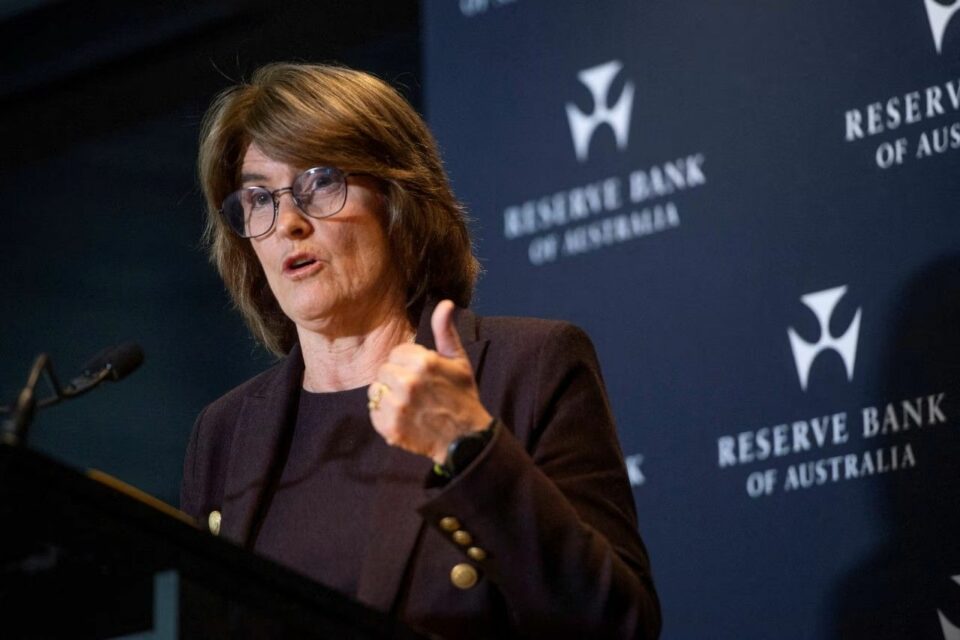
The Reserve Bank of Australia has raised interest rates to their highest level in 18 years, warning that bringing inflation back to target will take longer than it expected only a few months ago. The decision on Tuesday was far from unanimous, and it adds to the pressure on households already stretched by mortgages.
The decision
The Monetary Policy Board lifted the cash rate target by 25 basis points to 4.85%, with six members voting for the increase and three voting to hold at 4.60%. It is the fifth rate rise of 2026 and takes the cash rate to its highest level since late 2008. The board also left the door open to more. rbaabc
Why the bank moved
The trigger was stubborn inflation. The decision came just a week after data showed inflation jumping to 4.3% in September. In its statement, the bank said that with a revised inflation outlook and ongoing upside risks, further tightening of financial conditions was necessary to support inflation’s return to target. Inflation is expected to remain above 3% through 2027.
Governor Michele Bullock indicated that domestic factors are playing a bigger part than the bank first believed. She said home-grown inflation was now viewed as a larger contributor than initially thought. That matters because it suggests the problem will not fade simply if global energy prices cool.
A slowing economy
The board acknowledged the cost of its actions. It said the economy is slowing, housing prices have fallen significantly and the unemployment rate has risen, and it expects output growth to slow further over the coming year. It also noted that higher interest rates and falls in housing prices and turnover are expected to weigh on dwelling investment and household consumption.
There was one brighter spot. Business investment is forecast to be stronger in the near term, including data-centre-related investment. That reflects the global push for AI infrastructure, which has reached Australian shores.
What it means for households
Mortgage holders will feel the impact first. The new rate is expected to leave most Australian households with a mortgage facing repayments they have never experienced. Lenders have begun to respond. Macquarie said it will raise its variable home loan reference rates by 0.25% from November 19, and will also lift rates on its transaction, savings and cash management accounts.
Savers may see a small benefit. People with high-interest savings accounts will earn more if their bank passes on the increase. The extent will vary by lender, and borrowers tend to feel changes faster than savers.
Markets shrug
Financial markets had largely priced in the move. The Australian dollar slipped 0.25% to near 0.6975 after the announcement, while the share market ended higher. A Reuters morning note said Australian shares bucked the weaker regional trend, rising 0.3%. Most major banks had forecast the increase, so the more telling signal was the split vote.
The path ahead
The three dissenters highlight the central dilemma. Raising rates further risks deepening the slowdown and the fall in house prices, while stopping too soon risks letting inflation settle at an uncomfortably high level. Households that spent years adjusting to cheap borrowing are now being tested by costs that have climbed steadily since February.
For the next meeting, much depends on whether the monthly inflation data cools and whether the labour market weakens further. Analysts are likely to scrutinise any change in the bank’s language about future moves, particularly after a vote this close.
The international context matters, too. Central banks from Washington to London have been wrestling with the same energy-driven price pressures, and the Reserve Bank of Australia’s decision may preview the choices others face in coming weeks.

2 comments
[…] Reserve Bank of Australia Lifts Rates to 4.85%,… […]
[…] Reserve Bank of Australia Lifts Rates to 4.85%,… […]