
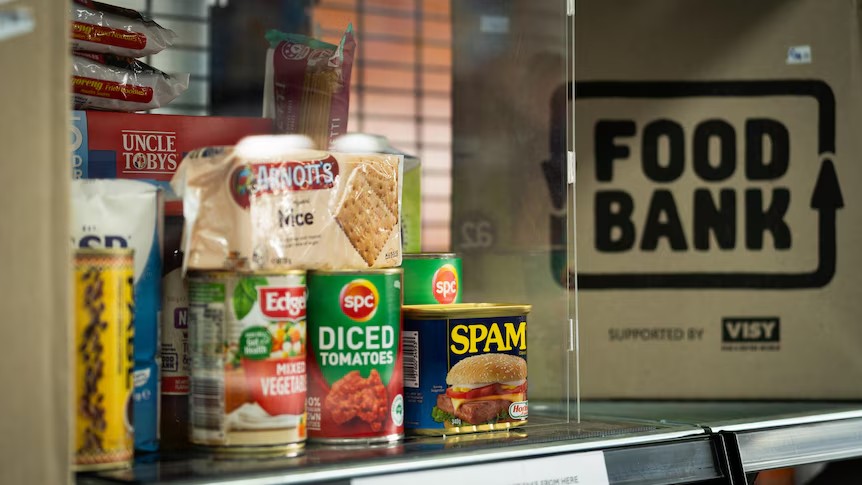
One in three Australian households went through food insecurity over the past year, according to a new Foodbank report that calls the problem entrenched. The charity warns that rising fuel and living costs are pushing more families into difficulty.
The numbers behind the headline
The Foodbank Hunger Report, released on Monday, found that 33% of households experienced food insecurity in the last 12 months. That is up slightly from 32.8% in 2025 and 32.5% in 2024, and it represents more than 3.5 million households.
Among those affected, 85% said they could not afford balanced meals. Another 69% said it was the first time they had faced the problem in the past year. The finding suggests the squeeze is spreading beyond the households that were already struggling.
Who is hit hardest
Families with children carry the heaviest load. Some 45% of households with children experienced food insecurity, and 25% were classed as severely food insecure. The rate was 53% among low-income households and 37% among middle-income ones, so the strain is no longer confined to the lowest earners.
Housing status makes a stark difference. More than half of renting households were affected, compared with 12% of households that own their homes outright. Indigenous households reported the highest rate, at 57%. Foodbank also says people aged 18 to 34, and couples with children, are increasingly at risk in every part of the country.
Everyday trade-offs
Behind the percentages are small, daily decisions. One-third of households reported skipping meals or being unable to get quality fresh produce at some point in the year. Reporting on the research also describes people shrinking portion sizes and even cutting back on shampoo, toothpaste and soap to stretch a budget.
Foodbank chief executive Kylea Tink says working-family incomes are increasingly unable to cover everything households once took for granted. She describes the divide between those who have enough and those who do not as “wider and wider.”
Interest rates add to the pressure
The report lands as economic risks mount. The Reserve Bank has projected higher unemployment in coming months and has left open the possibility of another interest-rate rise. Inflation data due this week is expected to confirm ongoing price pressure on household essentials. Markets put the odds of a rate increase at the central bank’s next meeting above 60%.
For households with mortgages or variable-rate debt, that could mean tighter budgets just as food and fuel bills climb. Renters, who already report the highest levels of food insecurity, face their own pressures.
The call for action, and a bright spot
Tink says food relief agencies cannot fix the root causes of hunger on their own. She argues that lifting youth allowance, the pension and single-parent payments would meaningfully reduce the number of people going without.
The report does find one encouraging trend. School breakfast programs have delivered real improvements, particularly state-backed schemes in New South Wales and Victoria. Tink wants each level of government to fund such programs directly rather than spread money thinly across many small efforts.
A problem set to persist
Foodbank’s message is that the problem is becoming a permanent feature of Australian life rather than a temporary shock. With fuel prices high and borrowing costs possibly rising, the charity expects pressure on household budgets to continue. Its call is for governments, businesses and community groups to coordinate their response before the situation worsens.
