
Apple delivered a stronger-than-expected quarter, only to see investors focus on what comes next. The iPhone maker beat Wall Street estimates for sales and profit on Monday, then told analysts that rising memory-chip costs and slower growth in its Services business will weigh on the holiday period.
A solid quarter
Apple reported fiscal fourth-quarter sales of $114.48 billion, ahead of analyst estimates of $113.39 billion, and earnings of $2.10 per share against expectations of $1.99, even after excluding 5 cents per share from tariff refunds. It was the first earnings report under new chief executive John Ternus.
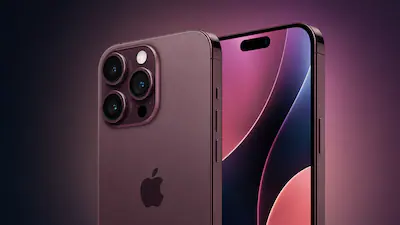
The iPhone did the heavy lifting. iPhone sales reached $57.58 billion, above the $56.54 billion analysts expected, helped by early demand for the iPhone 18 Pro lineup. That figure did not include sales of the new foldable iPhone Duo, which has reportedly faced supply constraints since its October launch.
Higher prices soften the blow
Apple has not simply absorbed a surge in component costs. The company raised the price of iPhone 17 models by $100 and increased prices on some MacBooks, which helped offset the effect of memory chips that kept getting more expensive. Ternus acknowledged the pressure, telling Reuters that memory costs had risen from the previous quarter and that price increases provided a partial offset.
The result was better than analysts had predicted. Gross margin reached 47.9%, above the 47.5% that had been expected.
Why the shares slipped
The problem lies in the forecast. Apple guided gross margin of 45% to 46% for the current quarter, below the Street’s 46.9%, citing soaring global memory prices. The squeeze has a clear source. Rising demand from artificial intelligence infrastructure providers is driving up memory-chip prices, which is raising costs for device makers.
Services, Apple’s second-biggest business, also sent a cautious signal. Services revenue rose 9.8% to $31.57 billion, slower than the 12.1% growth in the prior quarter, and Apple guided growth of 8% to 9% for the December quarter, blaming currency headwinds and weak mobile gaming. Analysts had been expecting growth of around 10.7%.
The China figure added to the worry. Greater China revenue came in at $17.54 billion, short of the roughly $18.58 billion forecast, although it still grew year on year.
The market reaction reflected that mix. Apple fell as much as 3% in after-hours trading, and another report put the drop as large as 4.4% during the call before the shares recovered some losses. That follows a strong run. Apple shares have risen 24.5% this year, comfortably outperforming the other Magnificent Seven stocks.
A supply chain under strain
Apple’s experience illustrates a wider shift in technology. The same AI spending boom that lifts chipmakers is pushing up costs for companies that buy memory in volume. Smartphone and PC makers can respond by raising prices, trimming specifications or accepting thinner margins. Apple has so far chosen a mix, leaning on its pricing power.
That strategy has limits. Higher prices work while demand stays firm, and early signs for the iPhone 18 Pro are encouraging. But consumers may not accept successive rounds of increases, and a holiday quarter with a weaker margin leaves less room for error.
What to watch
Investors will look for three things in the coming months: whether memory prices peak, whether Apple can bring Services growth back toward double digits, and whether supply for the iPhone Duo improves in time for the holidays. The company also offered few clues on its own plans for AI services, a gap that analysts have noted as rivals push ahead.
For now, Apple remains a profitable giant with a loyal customer base. Its latest quarter shows that even the strongest balance sheets feel the pressure when a component price shock spreads through the technology industry.

1 comment
[…] Apple Beats Forecasts on iPhone 18 Pro Demand,… […]