
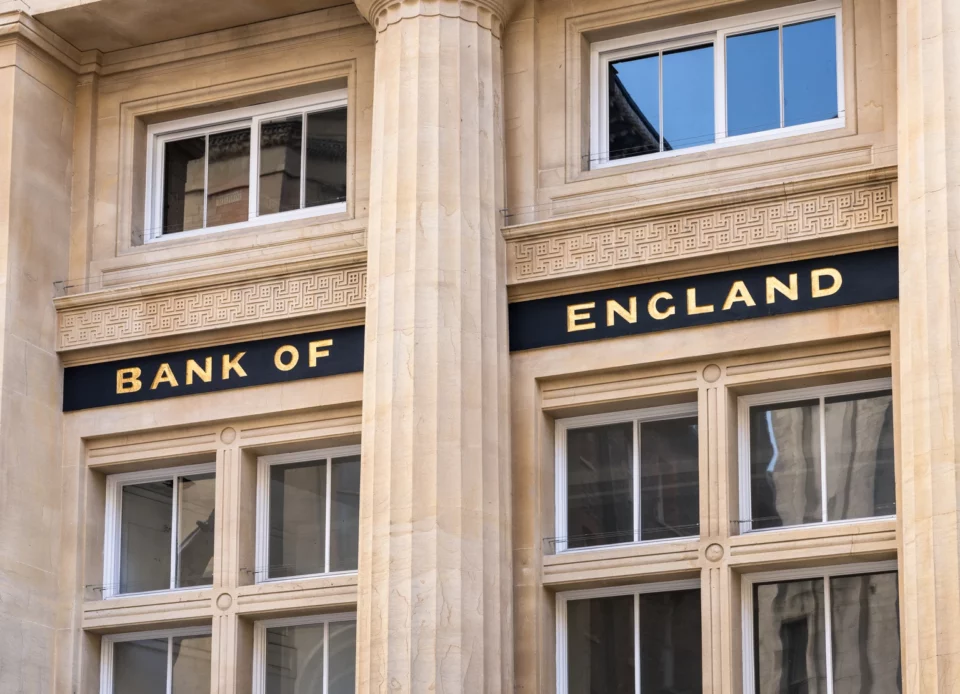
Britain’s central bank is expected to raise interest rates on Thursday for the first time in more than three years, bowing to inflation pressure from soaring energy costs. The decision itself looks all but settled. What the Bank of England says about its next steps is likely to matter far more to borrowers, savers and markets.
A decision that looks certain
All 35 economists in a Bloomberg survey expect Bank Rate to rise to 4% from 3.75%, the level at which it has been held for 11 months. It would be the first increase since August 2023, when inflation was more than triple the 2% target. One economist at the Institute of Chartered Accountants described a rise to 4% as looking all but certain, calling it a precautionary hike to contain price pressures.
The announcement is due at noon on Thursday, with Chief Economist Huw Pill briefing businesses the following day.
Why now
The central bank has been pushed by energy costs tied to the war in the Middle East. Governor Andrew Bailey has said the likelihood of a hike grows the longer energy prices stay elevated, while policymaker Megan Greene has argued openly for tightening, warning that the risk of the energy shock feeding into broader inflation is greater than expected.
Household bills are adding to the pressure. Inflation is expected to rise this winter after Ofgem’s energy price cap went up 3.6% for a typical household on October 1. Greene has also pointed to stalled wage disinflation, which suggests that pay growth is not cooling as fast as the Bank would like.
The economy has shown surprising resilience. It unexpectedly grew 0.1% in August despite pressure on consumer spending and volatility linked to the Iran war. That makes the case for tightening somewhat easier to make.
A divided committee
Unanimity is unlikely inside the Monetary Policy Committee. Brown Brothers Harriman expects a 7-2 vote, with Alan Taylor and Swati Dhingra supporting a hold. A split vote would signal that the Bank is acting reluctantly and may not be committed to a long series of rises.
The real question: how many more?
The money markets expect more than one move. Reuters reports that the Bank may push back against investors’ bets that several more increases will follow next year. Unlike financial markets, economists polled by Reuters were split on whether further hikes would follow. The Bank has been criticised by one of its own members, who has argued that aggressive rate bets partly reflect a risk premium the Bank itself fed by taking a wait-and-see approach after the war began.
Other central banks have already moved. This time the US Federal Reserve and the European Central Bank have moved first. That leaves the Bank of England as the latest major institution to turn tighter.
What it means for households
A rise to 4% would feed through to the cost of variable-rate mortgages and some loans quickly, while fixed-rate borrowers will feel it as deals expire. Savers, on the other hand, could see slightly better returns if banks pass on the increase. Analysts note that the final effect depends on how aggressively lenders reprice and whether the Bank signals more to come.
Pound and markets
Currency traders have largely priced in the move. The pound has been steady near 1.3400 against the dollar. A dovish tone in the Bank’s guidance could dent sterling, while hawkish remarks from Bailey could support it. Thursday’s updated forecasts will also matter. An analyst said they are likely to show a mixed picture, with slightly stronger growth this year overshadowed by weaker growth further out as higher inflation and energy costs bite.
The balancing act
The Bank faces the classic dilemma of central banking: raising rates too slowly allows inflation to settle in, while raising them too fast risks tipping a fragile economy into a downturn. Thursday’s decision will tell borrowers where rates are going this week. The accompanying message will say whether this is a one-off precaution or the start of a longer climb.
