
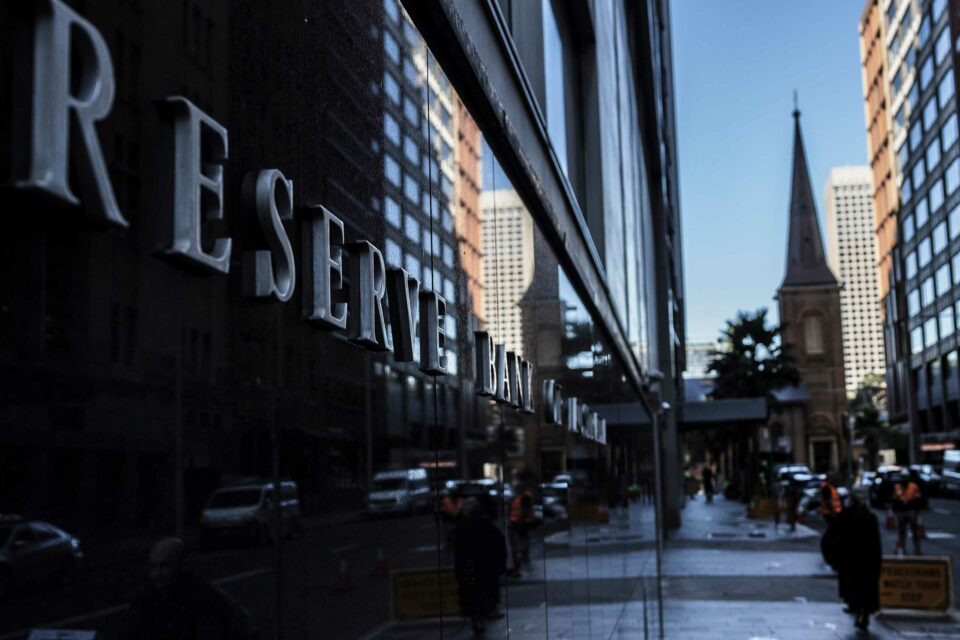
The Reserve Bank of Australia has raised its official cash rate to 4.85%, the highest level since 2008, delivering its fifth increase of the year in a decision that revealed a divided board. The 25 basis point rise, announced on Tuesday, was backed by six of the nine members of the Monetary Policy Board. Three voted to leave rates unchanged.
A decision that was expected, but not unanimous
Markets had largely prepared for the move, with traders pricing a high probability of a hike after weeks of hawkish comments from senior RBA officials. What stood out was the vote. A 6–3 split suggests a meaningful minority believes the central bank has already done enough, and it gives some borrowers cause for cautious hope that the tightening cycle is close to ending.
Governor Michele Bullock told reporters that the dissenters placed more weight on the downside risks to the economy. She listed a housing downturn, a rising unemployment rate and a lack of acceleration in wage growth among their concerns. Those who backed the increase, by contrast, were focused on inflation that remains broader and more persistent than the board had expected.
Why the RBA moved
Bullock acknowledged that the decision was not welcome news for many households, but said it was necessary to bring inflation down. Under the bank’s latest forecasts, inflation is not expected to return to its target range until the end of 2027, later than previously hoped.
She also stressed that the burden of high prices is not shared equally, noting that people on low incomes have little room left to cut spending. That, she said, is why getting inflation under control matters so much. Asked about oil, which has driven price swings globally, she made clear that monetary policy cannot influence world energy prices.
The governor conceded that earlier rises are already working their way through the economy. Spending has slowed, house prices have fallen and the labour market has eased. She cautioned that the slowdown could leave households feeling as though the country is in a recession, even though it technically is not, and said the labour market would need to soften further to restore balance between demand and supply. She added that the bank does not want to cause a recession if it can be avoided.
What it means for mortgage holders
The impact will be felt first by people with variable-rate home loans. Comparison site Canstar estimates that a borrower with an average $700,000 mortgage and 25 years remaining will pay roughly $107 more per month if lenders pass on the full increase. Across the five hikes this year, that adds up to about $532 more per month. For a $600,000 loan, the cumulative rise since February is more than $450 a month.
Rates have risen by 125 basis points in 2026, and the effect is compounding for households that were already stretched by living costs. Borrowers with fixed-rate loans that are expiring face a particularly sharp adjustment, since they will roll onto much higher rates than they locked in. Anyone concerned about repayments is generally advised to talk to their lender early and to review their budget, as banks can sometimes offer options before a borrower falls behind.
Savers, markets and the dollar
Higher rates are not all bad news. Savers may eventually see better returns on deposit accounts, although banks do not always pass on increases as quickly as they do on loans. On the market side, Australia’s benchmark ASX 200 edged up about 0.3% to 8,887 after the decision, a sign that investors had largely priced in the move.
Is the cycle over?
The central bank’s statement gave a signal that it might now take stock. It said the board would wait to see how the most recent increases affect the economy, which some analysts read as a hint that borrowers could enjoy a pause over the next couple of meetings. Bullock cautioned against reading too much into that language, however. She did not rule out further rises, and the next board meeting is scheduled for 8 December.
The path from here depends on incoming data. If inflation proves stubborn, the bank could be forced to act again. If growth, hiring and housing weaken faster than expected, the minority that voted to hold may prove right. For now, millions of Australians face higher repayments with an uncertain end point, and the Reserve Bank’s own forecasts warn of slower growth ahead. This article is for general information and is not financial advice.
