
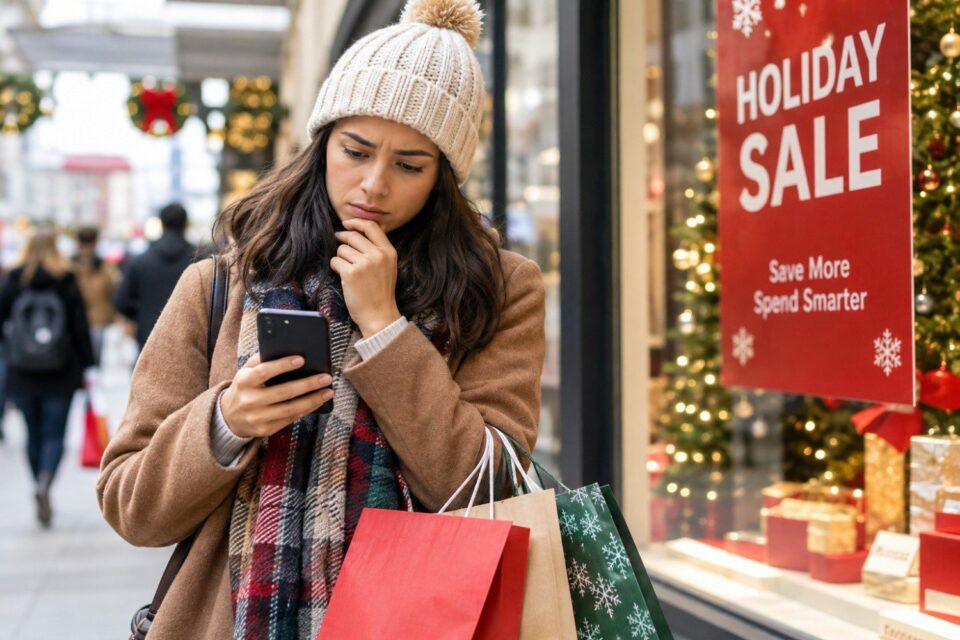
Retail bosses are heading into the holiday season with a puzzle. Shoppers say they are struggling, yet they still appear ready to spend. At the same time, the culture around spending is changing, with lifestyle influencers and everyday households leaning into thrift.
Consulting firm AlixPartners forecasts that US holiday season sales will rise between 4 per cent and 7 per cent this year. Yet 57 per cent of Americans say they are worse off than they were a year ago, and many say they should spend less, according to the forecast as reported by Fortune.
The holiday paradox
The contradiction is at the heart of this year’s outlook. Chief executives at consumer and retail companies are trying to work out whether cautious households will actually pull back once the season arrives, or whether the pull of gifts, food and celebration will keep tills ringing.
Part of the answer may lie in how people spend rather than whether they do. Shoppers who feel financially squeezed often trade down, hunt for discounts or spread purchases over time, while still buying for the occasions that matter most to them. That can lift headline sales even as individual households feel stretched.
Anxiety about prices
The pressure is easy to see in survey data. A recent Pew Research Center survey found only 24 per cent of consumers rated economic conditions as very good or good, while 66 per cent were worried about rising prices for groceries and other goods.
Younger consumers appear to be feeling it most. In an earlier McKinsey survey of US consumers this year, 31 per cent of Gen Z respondents said they had cut back on grocery spending, and 23 per cent said they had skipped payments or underpaid bills. Millennials were the most likely to lean on credit cards for essentials, at 34 per cent, compared with 27 per cent of Gen Z and 22 per cent of baby boomers.
Energy costs are part of the story. Fuel and diesel prices have hit records this week, and inflation worries have pushed borrowing costs higher across the economy, all of which weigh on household budgets.
Influencers pivot from luxury to savings
The mood is also changing what people see online. Recent reports, including coverage by ABC News, have described how lifestyle and beauty influencers who once made their names with luxury shopping hauls, designer bags and dedicated makeup rooms are shifting their content. Increasingly, followers want practical guidance on smart spending, budgeting and saving.
That shift reflects a broader change in taste. Extravagance that once looked aspirational can now read as out of touch. Content built around bargains, price comparisons, second-hand finds and clever ways to stretch a weekly budget is gaining ground instead.
For brands, the change is significant. Influencer marketing has long relied on aspiration, and companies are now having to adapt their partnerships to a more value-conscious audience.
What shoppers can do
Personal finance advisers commonly suggest a few practical steps for a season like this. Setting a firm gift budget before browsing helps, as does tracking prices ahead of major sales and prioritising a shorter list of meaningful gifts over a long one. Paying with cash or a debit card, rather than borrowing, avoids carrying holiday debt into the new year, which matters more when interest rates are elevated.
Looking ahead
The coming weeks will show whether the forecast holds. Retailers will be watching early promotions, and economists will be watching whether inflation and interest rates continue to squeeze wallets. If they do, the holiday paradox may resolve in favour of thrift.
Either way, the trend suggests something lasting. Frugality, once treated as a temporary response to hard times, is becoming a visible part of everyday lifestyle, from the checkout aisle to the social media feed.
