
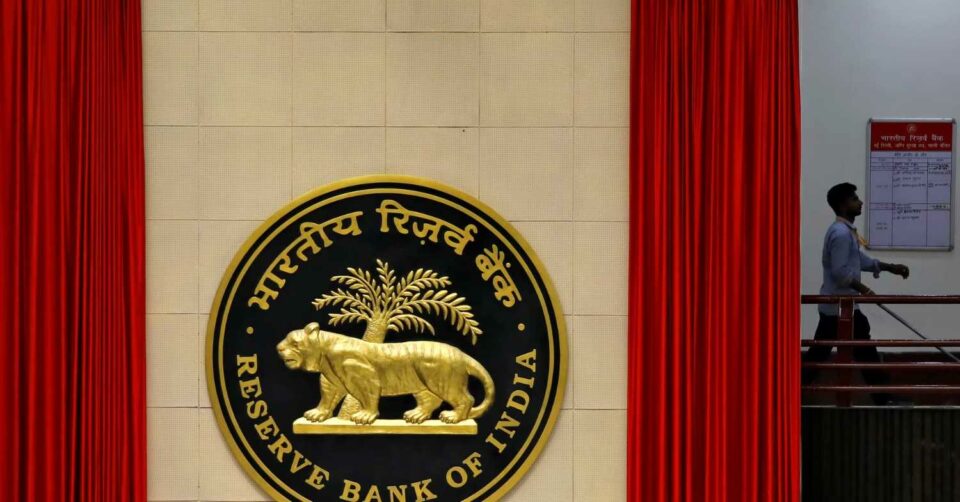
Millions of Indian households with loans, deposits or both will be watching Mumbai closely this week. The Reserve Bank of India’s Monetary Policy Committee began a three-day meeting today, and expectations have tilted towards a rate increase.
The meeting at a glance
The six-member committee, headed by Governor Sanjay Malhotra, meets from October 5 to 7, and the decision is due at 10:00 am on October 7. A hike would be the first since February 2023.
The starting point is a long stretch of stability. The repo rate has stayed at 5.25% for four straight policy reviews, after a cumulative 125 basis point reduction during 2025.
Why a hike is on the table
Inflation is the main driver. Economists widely expect a 25 basis point increase to 5.50%, after retail inflation rose to 4.82% in August. SBI Research is among those forecasting a quarter-point rise, with another possible in December that would take the rate to 5.75%.
The global backdrop adds to the pressure. Higher energy prices and rate rises by several major central banks have strengthened the case for tighter policy. Elsewhere, the Reserve Bank of Australia lifted its cash rate to 4.60% last week, its fourth increase this year, and the US Federal Reserve raised rates in September for the first time in three years.
The committee will weigh more than inflation. Analysts point to banking-system liquidity, credit growth and how well earlier policy moves are passing through to lending and deposit rates.
What it could mean for borrowers
For households, the repo rate is the starting point for much of what they pay and earn. A decision can eventually affect floating-rate loans and EMIs, as well as personal and business borrowing costs.
Borrowers with floating-rate loans linked to the repo rate are the most directly exposed. If the repo rate rises by 0.25 percentage points, those loans can become costlier once the lender passes the change on, either through a higher EMI or a longer repayment period. The timing differs from lender to lender, so customers may want to check how and when their own loan resets.
Fixed-rate loans are different. Their rates are locked in, so a policy increase does not change the monthly payment on an existing loan. New fixed-rate loans, however, are likely to be priced higher.
What it could mean for savers
Savers may see the other side of the coin. Fixed-deposit rates and returns on bonds and other fixed-income products can also move with policy decisions. Banks usually adjust deposit rates after policy changes, though they do not all move together or at the same pace. Anyone planning a deposit may find it worthwhile to compare offers in the weeks after the decision.
The same source cautions that the impact will not be identical for everyone. Loan type, tenure, lender and personal circumstances all matter.
How the decision will be read
Markets will study the vote split and the language as closely as the headline number. A hike accompanied by cautious wording would suggest the committee sees it as a measured step. A more forceful message would point to further increases, which lenders and borrowers would need to price in.
Whatever the outcome, the shift in the global rate cycle is clear. After a period of easing, central banks from Washington to Canberra are tightening, and India now has to decide whether to follow.
The decision arrives on Wednesday morning. Until then, the most useful step for households is to understand how their own loans and deposits are linked to the policy rate.
This article is for information only and is not financial advice.

2 comments
[…] RBI Begins Policy Meeting With a Rate Hike… […]
[…] RBI Begins Policy Meeting With a Rate Hike… […]