
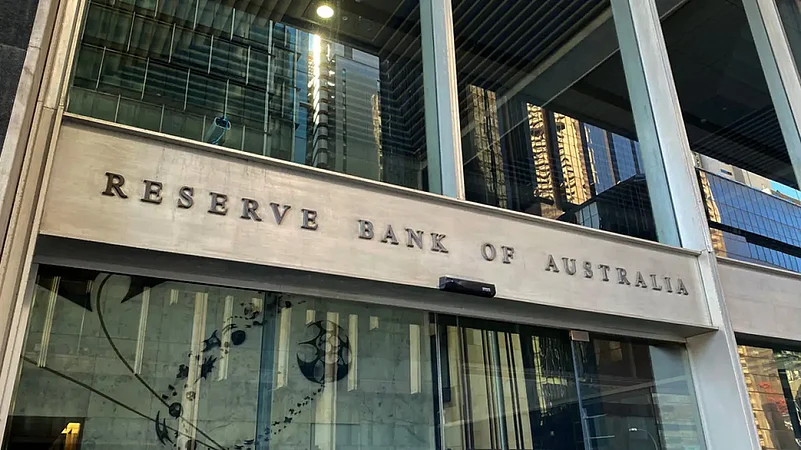
Australian borrowers are facing another rise in the cost of a home loan after the Reserve Bank of Australia lifted its cash rate to 4.60%, the highest level in almost 15 years.
The central bank’s Monetary Policy Board raised the rate by 25 basis points from 4.35% on Tuesday, in a unanimous decision. The new rate applies from Wednesday. It is the fourth increase of 2026, following rises in February, March and May, and it takes borrowing costs to their highest since late 2011.
Why the RBA moved
The decision was widely expected, and Australia’s major banks and financial markets had priced it in ahead of the announcement. The board’s reasoning was straightforward: inflation is not coming down fast enough.
Trimmed mean inflation, the RBA’s preferred measure of underlying price growth, has been stuck at 3.6% for three months in a row, above the bank’s 2% to 3% target band. Recent monthly readings also came in stronger than policymakers had anticipated at their August meeting.
The board’s statement kept the door open to more. It said it would do what it considers necessary to bring inflation sustainably back to target, including raising the cash rate further if needed.
What it means for mortgage holders
For households with variable-rate home loans, the cost is immediate once lenders pass the increase on. Estimates vary with loan size, but the ranges are consistent.
- On a $500,000 loan over 25 years, monthly repayments rise by about $77.
- On a $700,000 loan, the increase is roughly $107, based on Canstar’s analysis.
- On a $750,000 loan, it is closer to $115 a month.
Those figures reflect this rise alone. Broker estimates suggest that a borrower with a $500,000 loan who also absorbed the three earlier increases this year is paying about $3,696 more annually than at the start of the year.
Borrowers on fixed rates are not affected immediately, but many will face a jolt when their fixed terms expire and they roll onto higher variable rates. Lenders set their own timetables for passing on changes, so borrowers should check their own bank’s notice rather than assume a date.
A rare bright spot for savers
Higher rates are not all bad news. People with deposit accounts should see better returns if their banks pass on the increase. Macquarie is among the lenders that have said they will lift variable savings rates from 15 October. Savers should compare accounts, as returns still depend on how each bank responds and on the pace of inflation.
For the banks themselves, the picture is mixed. Higher rates generally support net interest margins, but analysts warn that mounting mortgage stress could raise bad-debt charges later in the cycle if households struggle to keep up with repayments.
Is another rise coming?
Economists think so. Some analysts are tipping a fifth increase on Melbourne Cup Day in early November, which would lift the cash rate to 4.85%. One market estimate puts the probability of a sixth hike by mid-2027 at about 60%, though such pricing shifts quickly with each inflation release.
The political stakes are rising too. Repeated rate rises are adding to cost-of-living pressure on the Albanese government, with households already contending with high fuel and grocery prices.
Practical steps for households
While no single measure suits every household, the usual advice from lenders and financial counsellors applies. Borrowers may wish to:
- Review their current rate and ask their lender for a better one, or compare refinancing options.
- Build a buffer by making repayments at or above the new minimum if they can.
- Contact their bank early if repayments become difficult, since lenders typically have hardship arrangements.
- Shop around for a higher savings rate to offset part of the extra cost.
This article is general information and does not constitute personal financial advice; readers should consult a licensed adviser about their own circumstances.
The broader message from the RBA is that the fight against inflation is not finished. For millions of households that took out loans when rates were far lower, budgeting around a 4.60% cash rate will be a new experience, and there may be more adjustment to come.

2 comments
[…] Reserve Bank of Australia Lifts Cash Rate to… […]
[…] Reserve Bank of Australia Lifts Cash Rate to… […]