
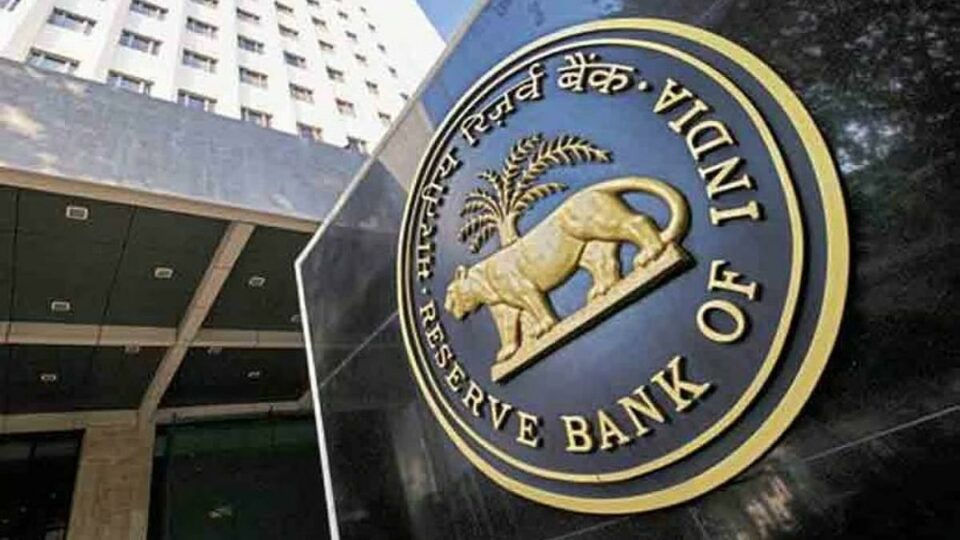
India’s central bank has opened a closely watched policy meeting with the possibility of an interest-rate increase firmly on the table, as rising inflation, expensive crude oil and a weakening rupee narrow its room to keep borrowing costs unchanged.
The Reserve Bank of India’s six-member Monetary Policy Committee began its three-day session on Monday, and Governor Sanjay Malhotra is due to announce the decision on Wednesday, 7 October. The repo rate, the rate at which the central bank lends to commercial banks, currently stands at 5.25%.
From cuts to a possible reversal
The prospect of a hike marks a notable shift. The RBI cut its policy rate by a cumulative 125 basis points beginning in February 2025, when inflation was low and growth needed support. The last cut took the rate to 5.25% in December 2025, and it has stayed there since. In August the committee voted unanimously to leave rates untouched and keep a neutral stance.
If the panel now raises the rate by 25 basis points, as a majority of economists in a Reuters poll expect, the repo rate would move to 5.50%. That would be the first increase since February 2023, and the poll suggested another could follow in December.
Why the pressure is building
Several forces are pushing in the same direction. Consumer price inflation climbed to 4.82% in August from 4.45% in July, staying above the central bank’s 4% medium-term target for a third consecutive month. Food inflation was close to 6%, and forecasters warn that strong El Niño conditions and below-normal October rainfall could threaten the winter crop.
Energy is the second factor. Crude oil has been trading above $100 a barrel, which raises India’s import bill and feeds into transport and household costs. The third is currency weakness. The rupee has lost around 6% against the dollar this year, and the RBI has been defending the currency. Some analysts argue that a rate rise would add credibility to those efforts.
Global conditions add to the challenge. US Treasury yields have climbed to their highest level in more than twenty years, which makes dollar assets more attractive and puts further pressure on emerging-market currencies.
Economists are not unanimous
Opinion is not entirely one-sided. SBI Research said the balance of risks had tilted decisively towards a 25 basis-point hike, arguing that it would be wiser for the central bank to act early than to fall behind the curve. Bank of America has also flagged that an October increase is possible, rather than waiting until December as it had previously expected. A research head at ICICI Securities Primary Dealership said inflation was tracking roughly 20 basis points above the RBI’s own forecast for the current quarter, and that the increase in prices was broad-based.
Others see more room for caution. Some market participants expect the committee to hold, arguing that continuity would reassure borrowers and protect credit demand. Analysts at Nomura believe any tightening cycle will be limited to between 25 and 50 basis points and say markets may be pricing in a more aggressive path than is warranted. Those who favour a pause also point out that holding rates would shift the burden to the currency and require more intervention in the foreign exchange market.
What it means for borrowers and savers
For households, the outcome matters directly. Many floating-rate home and personal loans are now linked to the repo rate, so a hike would normally lead banks to raise lending rates, which in turn increases monthly instalments or lengthens loan tenures. Borrowers with older loans tied to different benchmarks may see changes arrive more slowly.
Savers, by contrast, could eventually benefit. When policy rates rise, banks often follow by lifting returns on fixed deposits, although the timing and size of such changes differ by lender. Anyone planning to lock in a long-term deposit or take a new loan may want to wait for Wednesday’s announcement before deciding.
Beyond the rate decision
Rate action will be only part of the message. Markets will listen for any change in the committee’s stance from neutral, for updated forecasts on inflation and growth, and for comments on liquidity and the rupee. The governor’s tone could matter as much as the number, since investors are trying to judge whether this is the start of a prolonged tightening cycle or a one-off move.
Whatever the verdict, the meeting highlights a difficult balancing act for policymakers: containing prices without choking off the growth that has underpinned India’s economy. The answer will be known on Wednesday morning.
This article is for information purposes only and does not constitute financial advice.
