
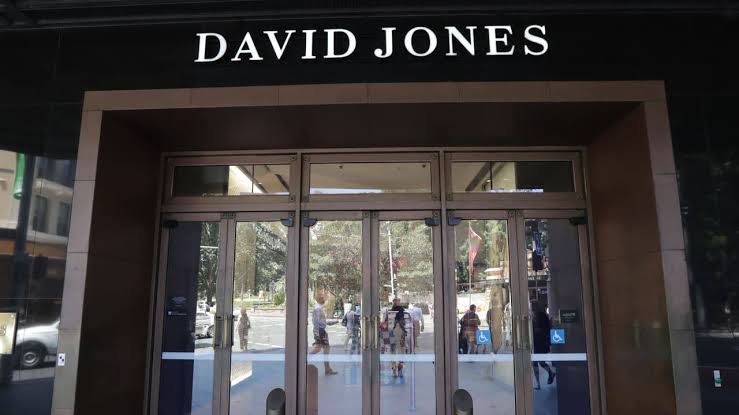
SYDNEY — David Jones, one of Australia’s most recognisable retail names, has been placed into voluntary administration and receivership, leaving the future of the 188-year-old department store in doubt just weeks before the Christmas shopping rush. It is the first time the retailer has entered insolvency in its long history.
What has happened
The collapse follows the breakdown of negotiations between David Jones, its owner Anchorage Capital Partners and key landlords, including Scentre Group, which operates Westfield shopping centres. Scentre said the retailer had paid rent up to 30 September but had since fallen behind. Efforts to secure rent concessions and agree on store closures failed, and the company’s directors appointed voluntary administrators.
McGrathNicol has been named administrator. Separately, lender Hilco Capital, which has been David Jones’ main financier for several months, appointed FTI Consulting as receivers and managers to protect its loans. Hilco said it had supported the business through additional funding and flexibility, including money to build stock ahead of Christmas, but that owners and directors were unable to reach a deal.
David Jones, which runs around 38 stores, has pointed to a difficult trading environment, rising costs, an outdated store network and supply-chain challenges. About 6,000 jobs are affected.
Will stores stay open?
For now, yes. The administrators and receivers said physical and online stores will continue to trade while they review operations. That means shoppers can still browse, buy and return goods as normal, at least in the short term. Administrators will seek offers to recapitalise or buy the business. The long-term outcomes could include a restructure, a sale or, in the worst case, a winding-up through liquidation.
There is no confirmed list of closures. Earlier media reports differed widely, with one suggesting the network could shrink to as few as 12 stores and another saying as many as half might close. Neither has been confirmed by the company or the administrators. Reports have suggested that outer-suburban locations are most at risk, with any future focus on flagship city sites. Some stock is already being cleared at discounts.
What shoppers should know
Customers holding gift cards or credit notes face the most obvious uncertainty. Consumer advocates generally advise people with gift cards not to leave them unused, because their value can be lost if the business closes. It is also sensible to check the terms and conditions, and to be cautious about prepaying for large orders or layby deals until the administrators have clarified how existing customer commitments will be treated.
People who have paid by credit card for undelivered goods may have additional protections. Consumers worried about a specific purchase can contact their card provider or the relevant state consumer agency. This is general information and not legal advice.
Staff, suppliers and landlords
The human cost is the most pressing concern. The union representing David Jones workers has said it is in contact with staff and that protecting jobs must be the priority. Employees face an anxious wait to learn which stores will survive. Fashion and homewares suppliers, many of them small Australian businesses, are also exposed because they may be owed money and rely on David Jones as a major sales channel.
Landlords, meanwhile, are weighing their own positions. David Jones is a major tenant in prominent shopping strips and centres, so the loss of stores would leave large gaps for property owners at a time when retail is already under pressure.
A brand with deep roots
David Jones began in 1838 and became a fixture of Australian life, known for its flagship city stores, food halls and fashion floors. Anchorage acquired the business from South Africa’s Woolworths Holdings in recent years, betting that it could modernise the brand. Like department stores around the world, however, it has been squeezed by online shopping, changing habits and the high cost of large store footprints.
What happens next
The administrators’ first task will be to stabilise trading through the busy Black Friday and Christmas period, which is critical to any rescue. They will then consult creditors and decide on the best path. A buyer or investor could keep part or all of the business alive, but any deal is likely to involve fewer stores.
For now, the iconic doors remain open. Whether they stay that way will depend on what administrators can negotiate in the coming weeks, and on whether Australian shoppers still have an appetite for the department store model.

1 comment
[…] David Jones Goes Into Administration After 188 Years,… […]