
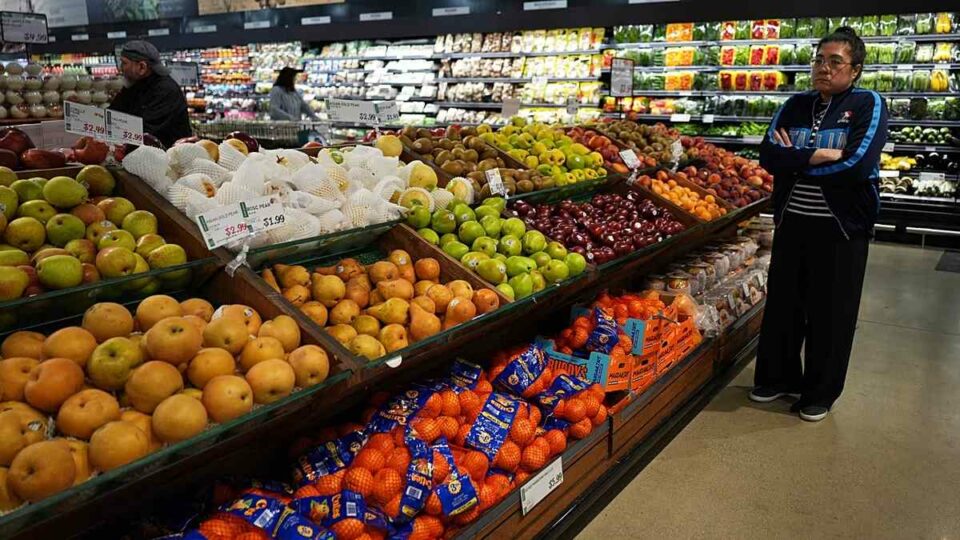
After a relatively quiet year for food prices, Europe’s weekly shop is starting to get more expensive again. Figures released this week show eurozone inflation reaching 4% in October, the highest in more than three years, and while energy is the main culprit, fresh produce is starting to feel the pressure.
What the figures show
Preliminary data from Eurostat, published on Wednesday, put annual eurozone inflation at 4% in October. Energy prices, pushed higher by the conflict in the Middle East, drove most of the increase. Food prices have so far risen much more slowly, and across much of Europe the increases this year have been modest.
But the details are less comfortable for shoppers. Fresh fruit and vegetables cannot be stored in warehouses for months, so they tend to react quickly when fuel and transport costs rise. In France, fresh produce prices have climbed by around 8%, even though food prices overall rose only 1.2% in October. In Portugal, unprocessed food was 3.7% dearer than a year earlier, the same pace as in September. In Spain, food prices were still rising in October, though more slowly than a year ago.
Empty shelves in southern Italy
The most visible sign of strain has been in southern Italy. Anyone walking into a supermarket in Naples or elsewhere in the region in late October may have found the fruit aisle half empty, as supply disruptions interrupted deliveries. It is a reminder that food costs are about more than farm prices. Transport, storage, packaging and labour all matter, and a shock to any of them can show up quickly on shelves.
A bigger picture over five years
The latest rises come on top of a very large one. Since September 2021, when energy prices began to surge, food in the European Union has become about a third more expensive. Another Eurostat-based comparison found that food and non-alcoholic drink prices were 34% higher in August 2026 than in August 2021. By country, the increases were around 25% in France, 30% in Italy, 34% in Germany and 35% in Spain.
The burden is heaviest in Eastern Europe, where food takes a bigger share of household budgets. In Hungary, prices are up by more than half over five years. Outside the EU, Türkiye stands out, with food prices up 27.6% over the past year.
Governments have tried different remedies. Cyprus, for example, halved its VAT on food from 12% to 6% on 1 April, with the cut set to run until the end of 2027.
Why prices are moving
Economists point to a mix of causes. Energy and fuel costs affect farming, refrigeration and delivery. Labour costs have become one of the most persistent drivers of grocery bills, and suppliers and supermarkets generally pass rising costs on, though how quickly varies. Weather also plays a role, since poor harvests can tighten supply of particular crops.
It is also worth remembering that “cheaper” does not always mean more affordable. In countries where food prices are below the EU average, households often spend a larger share of their income on groceries, so even small increases can bite harder.
What shoppers can do
There is no way to avoid rising prices entirely, but a few habits can help:
Buy seasonal and local
Fruit and vegetables in season usually cost less and travel shorter distances, which can shield them from transport-driven rises.
Compare unit prices
Checking the price per kilo or litre, rather than the sticker price, makes it easier to spot genuine bargains and compare store brands with premium products.
Plan meals and reduce waste
Making a shopping list and using leftovers can cut the weekly bill, particularly for fresh items that spoil quickly.
Consider frozen or tinned options
Frozen vegetables and tinned goods can be just as nutritious and are less exposed to short-term price swings.
What to watch next
The key question is whether higher energy costs will filter further into food. Oil prices fell sharply this week on hopes of easing tensions in the Middle East, which, if sustained, could take some pressure off. Central banks, meanwhile, are watching closely, since persistent price rises affect decisions on interest rates.
For now, the picture is one of gentle pressure rather than a new surge. But for households already stretched by years of higher costs, even small increases in the weekly shop are a reminder that the cost-of-living story in Europe is far from over.
