
American households are more downbeat about the economy than at any point in more than a decade, as higher fuel costs, rising borrowing rates and a softening jobs picture weigh on family budgets.
The Conference Board said on Tuesday that its Consumer Confidence Index fell 6.7 points to 81.9 in September, down from 88.6 in August. It is the lowest reading since April 2014 and well short of the 89.2 that economists polled by Reuters had expected.
Fuel and prices dominate the mood
The survey ran from 1 to 23 September, a period in which petrol and diesel prices climbed sharply and the Federal Reserve raised interest rates for the first time in three years. Dana Peterson, the Conference Board’s chief economist, said the index had deteriorated notably after two earlier months of softening.
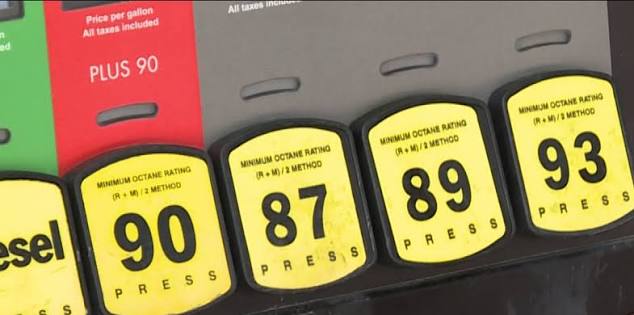
Respondents’ own comments told the story. References to prices, the high cost of goods and services, and oil and gas reached new highs, Peterson said, reflecting the surge in fuel costs during the month.
Geopolitics also loomed over the results. Continuing tension linked to the conflict involving Iran has kept energy markets unsettled, and economists speaking to regional broadcasters pointed to that uncertainty, alongside more expensive credit, as a main source of household anxiety.
A rare reversal in how families rate their finances
The most striking finding concerned how people described their own circumstances. More respondents said their family’s current financial situation was bad than said it was good, a rare reversal since the question was introduced four years ago.
Views of the wider economy also darkened. Assessments of current business conditions turned negative for the first time since September 2024, and consumers expect both business conditions and the labour market to weaken over the next six months.
The jobs picture is more nuanced. The share of people saying jobs are plentiful slipped to 23.6%, while the share saying they are hard to get rose to 21.9%. That narrowed the gap between the two to 1.7 points from 4.2. Analysts watch that measure closely because it has historically tracked the direction of unemployment. Peterson noted, however, that perceptions of the labour market, though weaker, remained positive overall.
Higher earners are losing faith too
The decline was not confined to one corner of the population. Confidence fell across age, income and political lines. Households with annual incomes of roughly $125,000 to $150,000 recorded the steepest drop over the past six months, according to analysis of the survey reported by Marketplace.
Paul Shea, an economics professor at Bates College, described that as a potential warning sign. Until now, he said, the deterioration had been concentrated among low- and middle-income families. Because better-off households account for a larger share of total consumer spending, a loss of nerve at the upper end could have wider consequences for retailers and the broader economy.
What it means for the Fed and the markets
Confidence surveys do not set interest rates, but they feed into a delicate debate at the central bank. Inflation has remained above 3% for most of the year, and investors are largely betting that the Fed will raise rates again at its next meeting on 28 October. Futures markets were pricing roughly a 70% chance of an October increase at the start of the week.
The Fed’s preferred inflation gauge, the personal consumption expenditures price index for August, is due on Wednesday. Economists expect an annual rate of 3.7%, matching July.
For policymakers, the difficulty is that the forces squeezing household morale, namely energy costs and expensive credit, are the same ones they are trying to bring under control. The Conference Board’s own guidance is that a reading of its Expectations Index below 80 has generally pointed to a recession within a year. The latest survey also showed a rise in the share of respondents who consider a downturn over the next 12 months somewhat likely.
The outlook for spending
Economists say a rebound in sentiment will probably depend on oil supplies stabilising and drivers seeing relief at the pump. Until then, retailers heading into the year-end shopping season will be watching for any sign that households are trimming big-ticket purchases.
For families, the message is familiar but pressing. With borrowing costs elevated and fuel prices volatile, many are reviewing budgets and delaying major spending decisions. Whether that caution deepens or fades may be one of the defining questions for the American economy over the coming quarter.
