
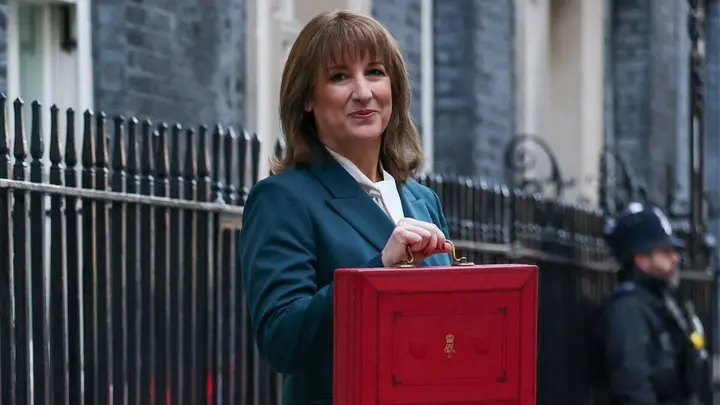
Chancellor John Healey will deliver his first Budget this afternoon, with UK banks braced for a tax rise and households hoping for relief on energy and fuel bills.
Healey is due to speak in the House of Commons at 12:30 p.m. UK time. It is the first fiscal statement under Prime Minister Andy Burnham, and it comes against a difficult economic backdrop. Borrowing costs have risen, inflation hit a five-month high in August, and the Resolution Foundation has estimated that the government’s room for manoeuvre against its own fiscal rules has shrunk by about £12 billion.
Banks in the firing line
The most widely previewed measure is an increase in the surcharge on banking profits. Reports have suggested that Healey will raise it from 3% back to 8%, reversing a cut made by former chancellor Jeremy Hunt. Together with the main 25% corporation tax rate, that would take the headline tax on bank profits to 33%. Estimates cited by the BBC suggest the move could raise a little over £2 billion a year.
Markets have already reacted. The FTSE 350 Banks index fell by a little over 8% in the month to late October as expectations built. Goldman Sachs estimates that an 8% surcharge would reduce profits by around 2% to 3% at Barclays, which benefits from large overseas earnings. For the more domestically focused Lloyds and NatWest, it estimates a hit of about 6% to 7%.
The industry has lobbied hard against the change. Big lenders argue that a steeper tax would curb competition and weigh on lending and growth. Barclays chief executive C. S. Venkatakrishnan said last month that channelling bank capital into lending and investment would be preferable to higher taxes.
The banks are entering the Budget in good financial shape. Barclays reported last week that third-quarter pre-tax profit rose 12% to £2.32 billion and announced a £500 million share buyback. It also confirmed around 5,000 job cuts as it increases its use of technology. Lloyds, HSBC, NatWest and Santander are also reporting third-quarter results this week.
What households may get
Alongside the revenue-raising measures, the government is expected to announce help with the cost of living. Burnham has asked Healey and Energy Secretary Miatta Fahnbulleh to look at scrapping standing charges on gas bills, a move that would lower household energy costs. Healey has also been under pressure to cancel the planned fuel duty increase in January as pump prices for petrol and diesel remain high.
In a video message ahead of the statement, Healey said the government would ease the cost of living responsibly and stay within Labour’s self-imposed fiscal rules. Other reported measures include stricter VAT enforcement on online marketplaces such as Amazon and eBay, investment linked to artificial intelligence, and more funding and power for local leaders.
Healey, who was defence secretary under Sir Keir Starmer, has sought to strike a balance. He has described the banks as a key part of the economy while declining to rule out tax rises.
Pressure on the public finances
The challenge for the Chancellor is that every giveaway has to be matched by revenue elsewhere. Rising government borrowing costs have eaten into his headroom, and economists will examine how much of the relief is permanent and how much is temporary.
The Office for Budget Responsibility will publish fresh forecasts alongside the Budget, and the reaction in government bond markets will show whether investors believe the sums add up.
What it means for savers and borrowers
For ordinary customers, a bank surcharge does not directly change interest rates, but there is a risk that lenders try to offset the cost. Critics of the tax say that could mean tighter lending or less generous savings rates, while supporters argue that banks have benefited from higher interest margins and can afford to contribute more.
Households will be watching the energy and fuel announcements most closely. Any change to standing charges would feed through to bills, while a decision on fuel duty would affect drivers from January.
The full detail will become clear once Healey sits down and the Office for Budget Responsibility publishes its analysis. For now, the government is seeking to raise money from banks while promising relief to families, a balance that will be tested by markets and voters alike.
