
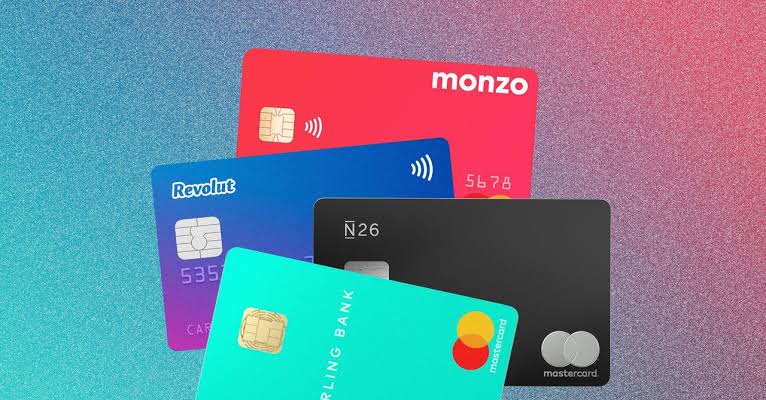
For years, the cost of keeping cash machines and counters open in Britain has fallen largely on the high street banks. A new review says that should change, and that the digital challengers that have taken so many customers online should pay their share.
A UK government-backed review has proposed that digital banks contribute alongside traditional banks to maintaining access to cash and face-to-face banking. The government has said it will accept a recommendation from the review to introduce new laws protecting essential in-person services
What the review says
The review, commissioned by the Treasury earlier this year, focuses on the shrinking options available to nearly three million people who regularly use banking services in person. It recommends a shared funding model that covers banks operating mainly through digital channels, including firms such as Monzo and Revolut.
The argument rests on how people actually bank. The review’s director, Richard Lloyd, notes that many people hold accounts with several banks, and that a significant number of digital-bank customers regularly use cash services provided by traditional lenders such as NatWest, Barclays and Lloyds.
Why traditional banks have pushed for it
The idea did not come out of nowhere. Earlier reporting said established banks were arguing that digital lenders should contribute because their customers can also rely on in-person cash access points. Traditional banks currently carry much of the cost of physical infrastructure, funding branches and contributing to shared facilities even as more customers move to digital services.
The fintech sector has been wary. Innovate Finance, the industry trade body, has said that any move to require digital banks to fund the hubs is concerning. Digital banks typically argue that they have built their business without branches and that their low costs are the benefit they pass on to customers.
Banking hubs and the scale of the problem
Branch closures are the backdrop. Thousands of bank branches have closed across the UK as customers moved to online and mobile banking. Banking hubs, shared locations where customers of different banks can get basic services, were introduced to help communities affected. As of March 2026 there were 225 operational banking hubs, against a government and industry commitment to deliver 350 by the end of this parliament.
Demand has fallen but has not disappeared. In 2024, 26% of UK adults with a bank account had used face-to-face banking in a branch within the previous year, and 5% were heavy users of cash. Those who rely on in-person services tend to include older people, those in rural areas, small businesses that handle cash, and people who find online banking difficult.
What is still undecided
The headline recommendation is clear, but the detail is not. Many points still need to be worked out, including which lenders will be expected to maintain and pay for the services, and whether digital-only banks that have never offered in-person services would be forced to contribute. Questions include how costs would be shared, how contributions would be calculated and how any new rules would be enforced.
What it could mean for customers
For customers of digital banks, a contribution requirement could eventually show up in pricing or product decisions, although that would be up to the banks. For people who depend on cash and counters, a sustainable funding model could mean greater certainty that hubs will stay open. The economics of digital banking would also shift. A shared funding requirement would change some of the economics of digital banking, since banks without branches would help pay for services used by people who still rely on cash deposits, withdrawals and face-to-face help.
The government’s agreement to legislate suggests that this is moving from debate to policy. The next stage will be the drafting of the rules, and the lobbying that will inevitably accompany it. For now, the message to the industry is that access to basic in-person services is being treated as a shared responsibility across banking, not just one part of it.
