
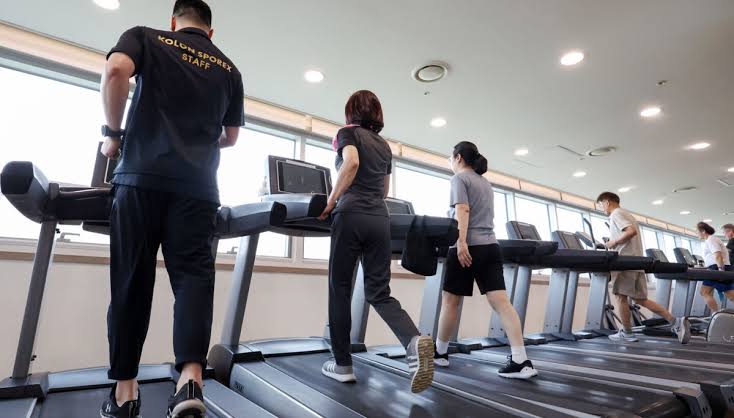
Fitness was once one of South Korea’s most reliable growth businesses. Today it is closing faster than at any point on record, and the rise of weight-loss drugs is one of the reasons commonly cited.
The story was in focus on Monday’s morning news programmes, which described gyms shutting in large numbers and compared the damage unfavourably to the pandemic years. The official figures back up the alarm.
What the numbers show
A parliamentary analysis of Ministry of the Interior and Safety data found that 577 gyms closed in 2025, the highest since records began in 1990. That compares with 432 in 2020 and 404 in 2021, the years most affected by COVID-19. By mid-September this year, a further 531 gyms had already shut, and the lawmaker who ran the analysis said 2026 could exceed last year’s record.
Early in the year, the pattern was striking. About 124 gyms closed in January and February alone, the months when New Year sign-ups usually peak.
The role of weight-loss drugs
Medicines such as Wegovy and Mounjaro, known as GLP-1 drugs, have spread quickly. The 2026 Korea Wellness Report, released by KB Financial Group in October, found that 10.3% of 2,000 adults aged 25 to 69 had used or been prescribed such a drug in the past year, and a third said they would consider using one in future.
Cost helps explain the appeal. Korean media have reported that a month of treatment costs roughly 300,000 won, which some trainers say is cheaper than a month of personal training. A trainer cited by Korea JoongAng Daily said more prospective clients were choosing medication over coaching.
Still, the drugs are not the only pressure. Analysts and industry observers also point to a running boom among people in their 20s and 30s, the spread of gyms inside apartment complexes, intense price competition and tighter household budgets. Researchers have not established how much of the closure surge is due to weight-loss medication specifically. What is clear is that several forces are hitting traditional commercial gyms at once.
Government crackdown on the drugs
Regulators are also paying attention. Korea’s Ministry of Food and Drug Safety said last Thursday that it is launching a nationwide crackdown on illegal online sales, brokering and advertising of GLP-1 drugs. The move follows a rule change allowing travellers to bring in up to three months’ supply of drugs prescribed abroad, which raised fears of resale.
The hidden danger of prepaid memberships
For members, the immediate risk is financial. Many gyms sell discounted long-term memberships and personal-training packages paid in advance, and some operators close without refunds.
Consumer complaints about gyms, pilates studios and yoga centres rose from 3,224 cases in 2021 to 4,328 in 2025, according to Korea Consumer Agency figures reviewed by the lawmaker. Officially recorded losses from 2018 to June 2026 total about 29.2 billion won, but the lawmaker said the industry estimates actual losses at more than ten times that, because fewer than one in ten affected people report them.
A proposed amendment would require operators who collect more than two months’ fees in advance to buy surety insurance and would restrict “hit-and-run” owners from registering new fitness businesses for a period. It is pending in the National Assembly.
How gyms are fighting back
Fitness businesses elsewhere offer a possible playbook. In the United States, chains have begun courting people who take GLP-1 drugs. Some gyms have launched programmes aimed at preserving muscle during weight loss, others have added clinics with doctors, and several see strength training as a growth area because users often need to protect muscle mass. Analysts there remain divided on whether the drugs will ultimately hurt or help gyms.
In Korea, smaller boutique studios, often built around a specific format such as reformer pilates or strength classes, have generally fared better than large traditional gyms.
Tips before you sign up
Consumer lawyers suggest a few simple safeguards. They are general advice rather than legal guidance.
- Be wary of unusually deep discounts for long memberships. One attorney called an unreasonably low price a possible red flag.
- Prefer shorter commitments, and avoid paying for a year or more in advance.
- Check that the business is properly registered and has been operating for a while.
- Keep copies of contracts, receipts and refund terms.
- Ask about what happens to prepaid sessions if the gym moves or closes.
Looking ahead
If closures continue at this pace, Korea’s fitness industry will look different within a few years, with fewer large gyms and more specialised studios and home-based workouts. For members, the lesson is straightforward. Fitness habits are changing, but the cost of a bad contract falls on the customer.
