
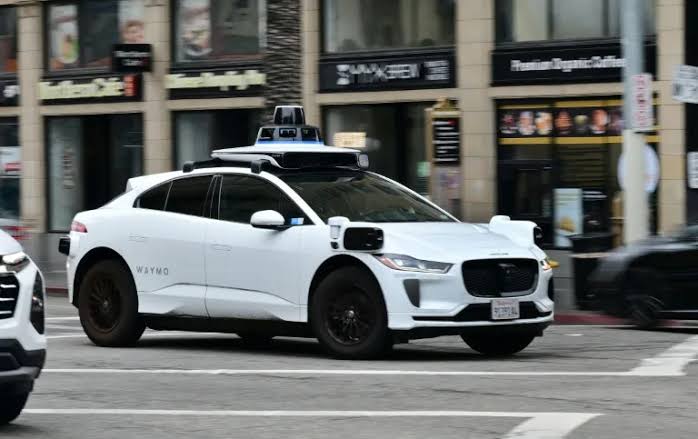
Waymo has taken its driverless taxis off every freeway it serves in the United States. The move came after California’s motor vehicle regulator ruled that the vehicles posed an imminent danger to the public.
The California Department of Motor Vehicles issued its order on Tuesday. It prohibits the Alphabet-owned company from both operating and testing driverless vehicles on the state’s freeways. The agency described the situation as an imminent hazard to public safety.
Waymo acted quickly. The company said it was temporarily suspending freeway rides in all of its markets, which restricts passengers to surface streets for now. It also said it is working with officials to address the concerns and resume service.
What prompted the order
The DMV pointed to two incidents. One involved three Waymo vehicles that drove into a freeway construction zone, according to department spokesperson Jonathan Groveman. Reports also describe an encounter involving highway patrol officers who were driving behind a slow-moving construction truck.
Several videos have circulated online showing questionable driving by Waymo vehicles. Some appear to show cars entering construction areas, and others show them near active train tracks. The DMV has not said that every clip played a role in its decision.
A significant retreat
Waymo currently operates in 15 American cities. It began offering driverless rides on California freeways last November, a milestone the company had presented as a step toward faster and more useful trips.
Freeway access matters commercially. Highway routes can cut journey times sharply, especially for airport runs and longer cross-town trips. Losing them narrows what a robotaxi can offer compared with a conventional ride-hailing car.
The setback also arrives while the company is expanding. Industry outlets have reported that Waymo is aiming for a fleet of about 20,000 vehicles by the end of 2027. A prolonged restriction would complicate that picture.
Why freeways are a hard test
Freeways look simple but can be demanding for automated systems. Vehicles travel fast, which leaves little time to react to the unexpected. Construction zones are a particular challenge because lanes can shift, barriers can appear overnight, and workers and equipment sit close to moving traffic.
Human drivers cope by reading cones, signs, hand signals and the behaviour of the cars around them. Teaching software to do the same reliably, in every location and every weather condition, is one of the toughest problems in autonomous driving. Regulators tend to look closely at exactly these edge cases.
What happens next
The DMV’s action has been described as temporary, and no timetable for lifting it has been announced. Waymo has not published a date for restoring freeway rides.
California is the state where the company has done most of its testing and the one where its regulators carry the most weight. How it resolves this dispute will be watched by other states and by competitors who are also seeking approval for driverless service.
For passengers, the practical effect is straightforward. Rides continue on surface streets, but some trips may take longer, and routes that relied on freeways will change. Riders should check the app for estimated times before they book.
The bigger picture
The episode shows how thin the margin for error remains. Public acceptance of driverless cars depends on a record that stays clean, and a handful of high-profile incidents can undo months of progress. Regulators, for their part, must balance safety against the possible benefits of the technology.
Whatever the outcome, the case is likely to shape the rules that govern robotaxis well beyond California. Companies will want to show not only that their vehicles perform well on average, but that they handle the unusual situations safely.
