
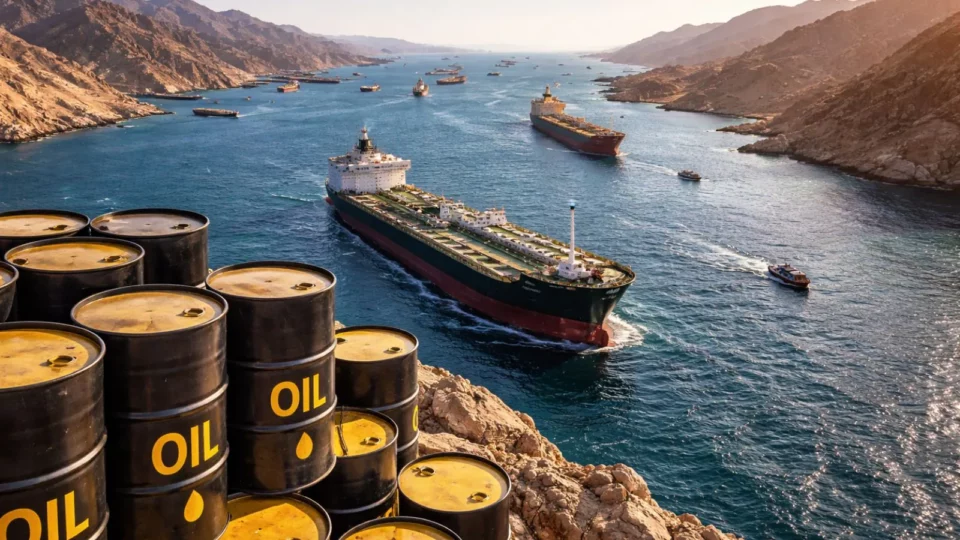
Oil prices edged lower on Tuesday as a new round of regional diplomacy raised hopes that the war involving the United States, Israel and Iran might not spread further. Traders were not ready to price the danger out, though. Brent crude futures slipped by roughly half a percent, though the benchmark stayed close to its six-month highs. Brent was changing hands at about $115 a barrel in early trading, and US West Texas Intermediate was just above $101.
Talks in Tehran
The move followed an unusual diplomatic trip. Delegations from Saudi Arabia, Turkey and Pakistan met Iranian officials in Tehran on Monday, with Riyadh saying the visit was meant to open negotiating channels and prevent a return to military escalation. Iranian state media reported that the four countries agreed to keep talking, with the aim of strengthening cooperation on peace and security.
The diplomacy matters for markets because the war has put one of the world’s most important shipping lanes under strain. Energy buyers have spent months watching the Gulf for any sign that the fighting could ease or intensify, and Monday’s meeting gave them a small reason for optimism.
Washington’s next move is less clear. President Donald Trump is reported to be weighing whether to pursue an agreement with Tehran or authorise further military action. Bloomberg noted that the diplomatic push is unfolding ahead of votes in Israel and the United States, a political backdrop that could shape how much room leaders have to compromise.
Why prices have not fallen further
Hope alone has not been enough to pull crude sharply lower. Iran-backed Houthi militants continued to attack Saudi Arabia over the weekend, a reminder that the conflict reaches well beyond the negotiating table. Saudi Arabia is among the world’s largest oil exporters, and any damage to its infrastructure or shipping routes can ripple quickly through global prices.
Brent touched $117 on Monday, the same level it reached last week after a wave of Iranian attacks on tankers, which was its highest since April. Tuesday’s retreat is therefore a modest pullback from a recent peak rather than a reversal of the trend.
The Strait of Hormuz factor
The Strait of Hormuz sits at the centre of the worry. The narrow waterway carried around a fifth of the world’s energy supplies before the conflict erupted in February. Even partial disruption forces shipowners, insurers and refiners to rethink routes and costs.
The recent record is sobering. October has been the worst month for attacks on commercial shipping in the Strait of Hormuz and nearby waters, according to a Washington-based think tank that has tracked maritime security incidents worldwide since 2017. That helps explain why crude holds a heavy risk premium even on days when the headlines turn more hopeful.
Other pieces of the supply picture
Not every supply development points the same way. Russian refiners are raising diesel production in October after the government granted export quotas following the Kremlin’s supply agreement with the US, according to industry sources. More diesel from Russia could ease some pressure on product markets, but it does little to replace crude that cannot move safely through the Gulf.
What it means for inflation and interest rates
For consumers and policymakers, oil near $115 is more than a trading story. Fuel feeds into transport, food and manufacturing costs, and it complicates the job of central banks already struggling with stubborn price growth. The US Federal Reserve raised its policy rate last month for the first time in three years in an effort to slow inflation. Policymakers are expected to hold rates at their decision on Wednesday, but some investors are betting that further tightening could follow if energy costs stay elevated.
Households may feel the effect long before any central bank acts. Higher crude prices tend to reach pump prices, airline fares and freight surcharges within weeks, which is why the direction of Brent is closely followed well beyond trading floors.
What to watch next
Several signposts will guide the market over the coming days. Traders will look for confirmation that the four-nation talks produce a second round, for any fresh strikes on tankers or Saudi facilities, and for signals from Washington on whether negotiation or force is the preferred path. The European Central Bank and the Bank of Japan also announce rate decisions later this week, giving investors more clues about how policymakers are weighing energy-driven inflation against slowing growth.
