
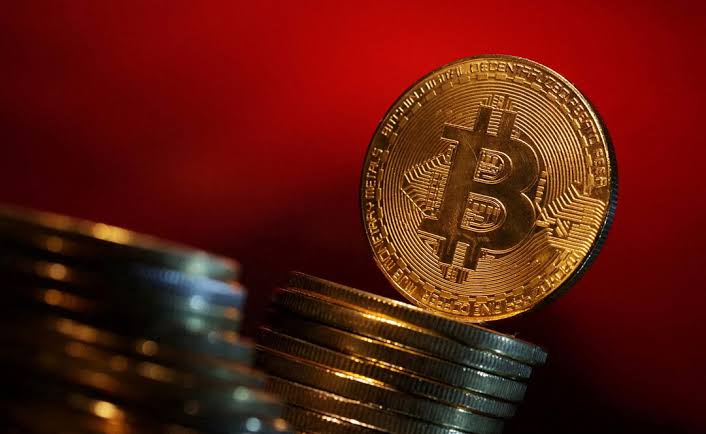
Bitcoin has spent most of November in retreat. Early on Wednesday it was hovering close to $60,000, still licking its wounds from a slide that has cost the world’s largest cryptocurrency roughly 28% of its value in under a month.
The decline gathered pace last week, when Bitcoin dropped below $60,000 for the first time since early July. Traders now face a market where fear of further forced selling competes with hopes that the worst may be over.
From peak to trough
Bitcoin reached a peak of about $81,274 on October 28. Its low so far came on November 20, when it touched roughly $58,818. That is a fall of around 27.6%, or well over $20,000 per coin in a month. By mid-afternoon in London on November 20 it was trading near $59,500, down more than 5% in 24 hours. The 2026 low, set on July 1 on the Binance exchange, is close to $57,800.
The slide hit the wider market too. Earlier in November, a sell-off between Thursday and Saturday erased about $230 billion of value from cryptocurrencies. The weekend made things worse, as thinner liquidity and shallower order books left prices vulnerable to large sell orders.
A hack, then a grind lower
The trigger was a security breach at Binance, the world’s biggest crypto exchange. The company said around $6.34 billion in digital assets were affected after attackers compromised employee credentials and reached its hot-wallet infrastructure. The FBI publicly attributed the theft to North Korea.
According to analysis from the asset manager 21Shares, though, the hack itself did little of the lasting damage. Bitcoin recovered to about $80,488 by November 4, the day after the US midterm elections. Even on November 9 it was only about 7% below its pre-hack level. Most of the fall came afterwards, as money flowed out of crypto funds and the broader market turned cautious.
Leverage made it worse. CoinGlass data showed liquidations across crypto reached $5.8 billion in the week to November 15, the highest since August. A further $671.8 million of Bitcoin long positions were wiped out on November 20 alone, accounting for 91% of that day’s Bitcoin liquidations as the price fell 4.9%. More than $2 billion in positions were liquidated over a single 24-hour stretch during a mid-November weekend.
Institutions head for the exits
Funds that had helped push Bitcoin higher this year have also been selling. US spot Bitcoin exchange-traded funds recorded net outflows of around $1.9 billion during the sell-off. The divergence from stocks has been striking at times. In the week to November 13, the Nasdaq-100 rose about 3% while Bitcoin fell 10%.
Since then, though, the pressure has spread both ways. Last Friday’s sell-off on Wall Street spilled into crypto, and the broader tech rout continues to weigh on risk appetite.
The macro squeeze
Behind the market-specific factors sits a tougher backdrop for anything speculative. The Federal Reserve is expected to raise interest rates again on December 9, and Wednesday’s inflation data could influence how aggressively. Higher rates tend to hurt assets that offer no yield and rely on investor optimism, and crypto is among the most sensitive.
Analysts at 21Shares said in their review that the sell-off is likely to prolong risk-off sentiment for now. They cited investors’ wariness about cyber threats and the tighter macroeconomic climate.
Levels traders are watching
Technical analysts are focusing on a few markers. Bitfinex analysts suggest any rebound may meet resistance near $61,300, about 3% above recent prices, where sellers could return. On the downside, Glassnode estimates Bitcoin’s “realized price”, the average cost basis of all coins, at roughly $53,250 as of November 22. That is a level some investors regard as a floor, though history offers no guarantee it will hold.
There is one reassurance for the bulls. Glassnode data suggests most of the leverage added since the hack has now been unwound, leaving less fuel for further forced selling. Elliptic reported in mid-November that the attacker’s holdings of 18,270 Bitcoin and 522,409 Ether were still unspent, easing fears of a flood of stolen coins hitting the market.
What it means for investors
Crypto has always been volatile, and drops of 25% to 30% are not unprecedented. But the combination of a security breach, institutional selling and rising interest rates is a reminder of how exposed the asset class remains to wider market sentiment. Commentators have drawn comparisons with the bear market of 2022, though nothing yet suggests a repeat.
For now, the market is waiting. Inflation data and the Fed’s December decision are the next big catalysts. Anyone considering trading in these conditions should remember that leverage amplifies losses as quickly as gains.
