
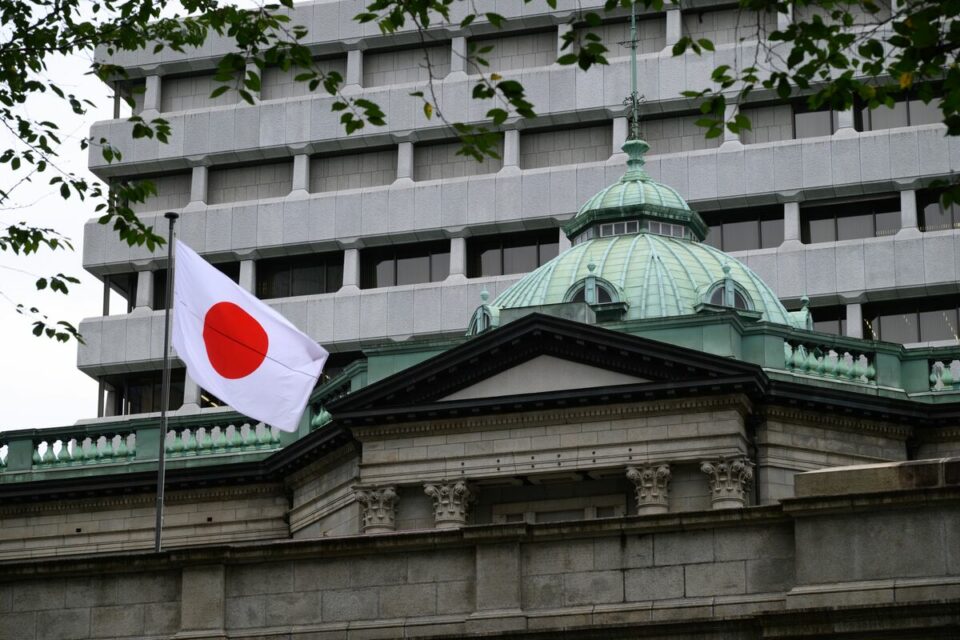
The Bank of Japan left interest rates unchanged on Friday. In the same breath it said that inflation has reached its target, a message that keeps a rate rise in December firmly on the table.
The central bank held its short-term policy rate at 1.25%, as economists had expected. The vote was 8–1. Board member Takata dissented and wanted a rate rise.
A hold with a hawkish edge
The bank said it would keep raising rates if the economy and prices develop in line with its forecasts. Governor Kazuo Ueda told reporters that underlying inflation has reached levels consistent with the 2% goal and that financial conditions remain accommodative. The bank also lifted its price forecast for the fiscal year 2027.
Ueda stopped short of committing to a date. He said the bank needs to watch the effect of currency moves, the technology investment boom and the conflict in the Middle East. That caution matters because Japan has been struggling with a weak yen, which raises the cost of imports and feeds inflation. The yen traded around 157.6 to the dollar after the announcement, having strengthened by as much as 0.4% earlier in the session.
Before the meeting, investors put the probability of a December increase at more than 80%. Analysts said the decision accommodated both camps on the board. Hawks got a one-vote dissent and a tougher assessment of prices, while doves got a pause.
A faster exit from stock holdings
The most concrete change was in the bank’s balance sheet. The Bank of Japan said it will speed up sales of the exchange-traded funds it accumulated during years of stimulus. From January it will sell about 860 billion yen ($5.45 billion) a year, up from 330 billion yen. The central bank has been unwinding those holdings slowly, and the faster pace is another sign of normalization.
Initial market impact was limited. Investors had been bracing for tighter policy, and the new sales rate is still small relative to the stock market’s size. The bank’s holdings of ETFs remain very large, so the process will take many years at either pace.
Markets look elsewhere
The central bank’s announcement did little to steady stocks. The Nikkei 225 closed 2.1% lower at 63,290.11 as a global selloff in technology shares overshadowed the decision. Early in the session the index had been down by more than 2.5%.
The bond market took the news calmly. The yield on Japan’s benchmark 10-year government bond fell 7 basis points to 2.22%, suggesting investors read the message as less aggressive than feared.
The global backdrop
The decision follows a week of central bank action. The US Federal Reserve held rates at 3.75% to 4.00% on Wednesday with two members voting for an increase. The European Central Bank left its rate at 2.5% on Thursday and kept the door open to a December rise. US inflation, as measured by the personal consumption expenditures price index, rose 3.6% in the year to September.
In that company, Japan’s rates remain low. The 1.25% policy rate is far below the levels in the United States and Europe, which is why the yen has stayed weak and why officials are watching it closely.
What comes next
The next signals will come from Ueda, who is due to speak again on November 6, and from Japan’s data on wages and prices. The bank’s next policy meeting in December will be the next real chance to move. Tokyo’s inflation data for October was due on Friday and will feed into those discussions.
For companies and households, a rise in rates would raise borrowing costs, including on mortgages, many of which are floating-rate in Japan. It would also likely strengthen the yen, which helps importers but hurts exporters that make up a large share of the Nikkei.
For now, the central bank is signaling patience with a clear bias toward tightening. A cautious message at its December meeting could revive pressure on the yen, while a firm one could bring a rate rise forward.

1 comment
[…] Next Article […]