
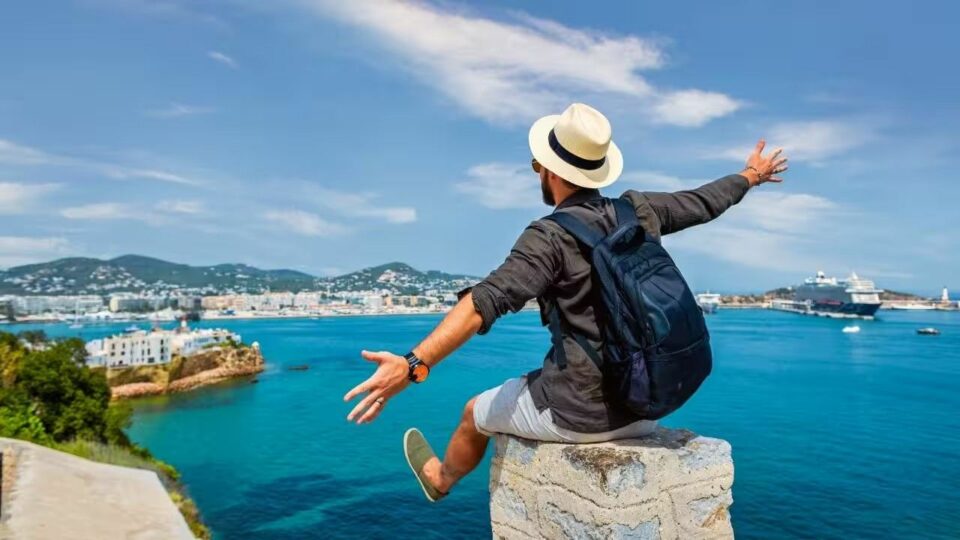
For a certain kind of traveller, luxury in 2027 will mean less show and more stillness. Industry reports and operators suggest high-end travel is moving away from conspicuous opulence toward privacy, unhurried itineraries and experiences that are hard to copy. Quiet surroundings and time are increasingly the things money is spent on.
Redefining what luxury means
Marie-France Perrel of the Michelin Guide’s hotels business said this month that luxury today is very different from what it used to be. Speaking at a travel summit in Brussels, she said travellers care less about traditional markers of opulence and more about places with a distinct sense of place.
Where the money is going
Europe is expected to dominate. In its 2027 Luxe Report, which surveyed more than 3,100 travel advisors across over 50 countries, the network Virtuoso found that seven of the ten most popular destinations will be European. Japan leads the ranking, followed by Italy, France, Greece and Spain. Croatia, South Africa, Portugal, the UK and the US complete the top ten.
Tour operator Abercrombie & Kent is also pointing travellers toward Chile’s Easter Island and says China and Egypt are drawing renewed interest.
The travel agent returns
Even as software can build an itinerary in seconds, the human travel adviser is making a comeback. Now often rebranded as a “trip designer”, the adviser is increasingly sought after by wealthy clients. Elle magazine has described the profession as chic again. What clients are paying for is judgment: when to go, which room to request and which restaurants deserve the reputation. Algorithms struggle to replicate that.
Privacy as the new status symbol
With social media turning places into overcrowded hotspots almost overnight, privacy is becoming the rarest luxury. Virtuoso describes it as moving through the world without queues and camera clicks. That might mean having a museum to yourself before it opens, or taking a long breakfast without watching the clock. Many affluent travellers are choosing private villas over hotels so they never have to share communal spaces.
The same thinking is reaching airports. DiamondAir has opened a private check-in lounge minutes from London Heathrow. Guests can dine, relax in a wellness area and have their luggage collected and passed through the airline’s system.
Food at 30,000 feet
Airlines are also leaning into dining. Singapore Airlines will introduce a new menu in November across its Suites, First and Business Class cabins. It features more than 100 new or reworked dishes developed by in-house and guest chefs, served on new tableware with the airline’s batik motif.
The slow luxury movement
After an anxious year for the travel industry, many operators expect demand for trips that calm the nervous system. These journeys favour depth over a packed itinerary.
Rail is one expression. Britain’s Northern Belle, a restored train that preserves 1930s glamour, will offer day trips with caviar blinis and afternoon tea in 2027. In Italy, La Dolce Vita Orient Express offers a two-night “truffle route” between Rome and Alba.
River cruising is another. Smaller vessels can sail into city centres and carry far fewer guests than ocean liners. Viking’s Sekhmet, built for the Nile and holding as few as 82 guests, launches in November. Its 2027 programme includes a 12-day total-eclipse itinerary.
Wellness gets a rethink
The Lemongrass Annual Travel Trend Report 2027 argues that the most successful luxury hotels will not be those that simply add more treatments. Instead, they will remove stress by improving lighting and acoustics, reducing sensory overload and bringing in natural elements. Estonia’s Eha Retreat, for example, starts each stay with a consultation and offers guided sleep meditations.
The “great trade-off”
Spending less in some places can fund spending more in others, according to Lemongrass, which calls this the “great trade-off”. A traveller might choose premium economy over business class and put the savings toward a standout stay. Signature Travel Network reports growing demand for trips that are genuinely personal and hard to replicate, such as private cultural encounters or journeys to witness rare natural events.
The takeaway
Across these reports, the common thread is intention. The luxury traveller of 2027 is less interested in more, and more interested in better: fewer crowds, slower pace and a trip that feels designed for them.
