
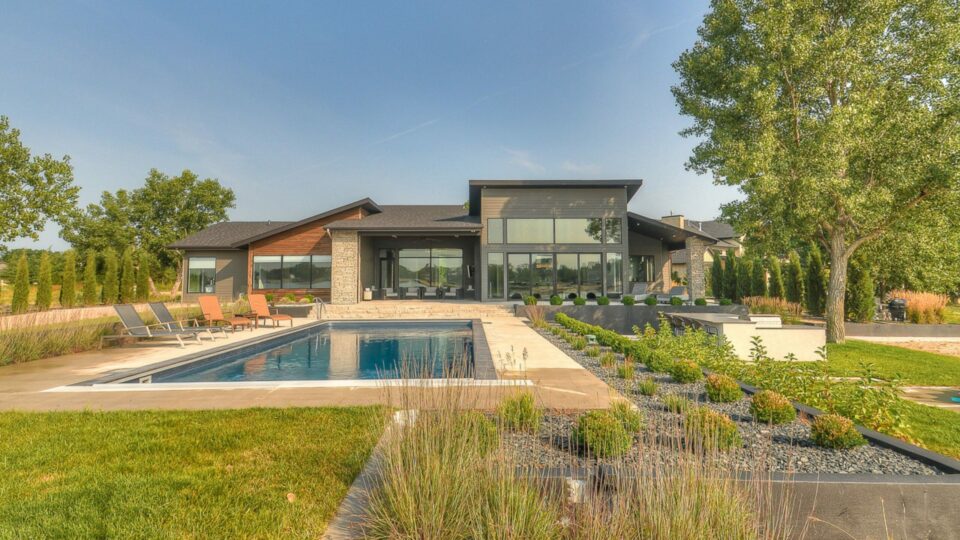
For years, luxury in property meant a marble lobby and a gym that few residents used. Today the pitch is different: cleaner air, a sauna, quiet surroundings and the promise of more healthy years.
The shift is large enough to have become one of the fastest-growing corners of the global wellness economy. It comes into focus this week as the 20th annual Global Wellness Summit opens in Phuket, Thailand, running from 10 to 13 November.
A market growing faster than construction
The Global Wellness Institute, a non-profit research body, values the wellness real estate market at $876 billion in 2025. That is up from $246 billion in 2019 and $151 billion in 2017. The institute expects the sector to pass $1 trillion for the first time in 2027 and reach $1.8 trillion by 2030, growing about 15% a year on average.
One comparison stands out. Between 2024 and 2025, wellness real estate grew 23%, while global construction as a whole expanded just 3%. The institute defines the category as buildings and communities designed and run to support the health of the people who live, work or stay in them.
What buyers actually want
The wish list goes well beyond a treadmill. Saunas and steam rooms have become standard in many new developments. Buyers are also asking about air quality, access to green space and quiet streets.
Proximity to water is another growing draw. Research into so-called blue space has linked regular time near rivers, lakes and the sea with lower stress and better sleep, and developers are increasingly choosing sites with that in mind.
At the top end, the concept is turning clinical. The Global Wellness Summit’s own trends report points to “longevity residences,” where preventive medicine, diagnostics and health tracking are built into the home or the building around it. The institute reports a price premium of 10% to 25% for wellness-focused residential properties.
The trend is not limited to multimillion-dollar homes. Home saunas are now sold through mass retailers for under $2,000, a sign that the idea has moved from boutique to mainstream.
The longevity effect
Demographics help explain the appeal. Sotheby’s International Realty’s mid-year luxury outlook found that around 38% of the real estate professionals it surveyed said ageing in place was a growing concern for buyers of homes costing $10 million and above. The firm’s message is that luxury is now about how well and how long someone can keep living in a home, not only where it sits.
That thinking is showing up in design: step-free layouts, adaptable rooms, space for caregivers and spaces for social connection. Knight Frank’s residence report for 2026 and 2027 similarly expects wellness to be a core part of how luxury homes are designed and sold.
Not just a Western story
The boom is global. In Saudi Arabia and the United Arab Emirates, wellness-focused projects account for more than 12% of new building, with over 555,000 homes in the pipeline. Parts of the Middle East are treating the sector as national infrastructure, backed by state money.
India is following. Developers in the Delhi region, including Gurugram, have begun marketing residences built around longevity clinics, recovery spaces and healthier building design, aimed at affluent buyers who want homes that support long-term health.
A note of caution
Not every claim deserves equal trust. Health editors and industry observers have warned of “wellness washing,” where words such as “natural” or “low-toxin” are used as marketing without clear evidence behind them. Forecasts also vary. Sotheby’s has offered a more modest outlook than the institute’s headline figures.
Buyers can protect themselves with a few practical questions. What is actually measured, such as air quality or filtration performance? Is there independent certification? What will the systems cost to run and maintain? And how likely is a wellness feature to hold its value if tastes change?
The bottom line
The numbers show that wellness has moved from an optional extra to a genuine buying criterion. Whether the most expensive features improve health in a lasting way is a separate matter, and one the industry still has to prove. But for homebuyers, the direction is clear: the question is no longer only how a home looks, but how it helps people live.

1 comment
[…] Wellness Becomes the New Luxury: Why Health-Focused Homes… […]