
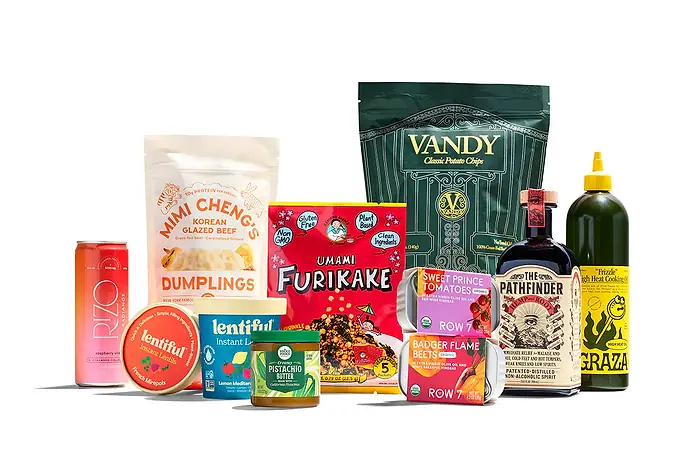
What will fill our shelves and plates in 2027? The grocery chain Whole Foods Market has offered its answer, publishing a forecast of eight trends that it expects to shape restaurants, supermarket aisles and home kitchens. The list is the retailer’s own prediction, drawn from the experience of its trends council, but it offers a useful snapshot of where food culture is heading.
Where food comes from matters
The first trend is terroir, the idea that soil, climate and geography give a product its character. Once associated with wine, it is spreading to honey, chocolate, grains, salt and even seafood, where the term “merroir” describes the influence of the ocean. Shoppers are increasingly drawn to labels naming a specific farm or region. The company’s example products include single-estate olive oils and cheeses from designated regions of Italy.
Beauty from the inside
“Beautrition” describes foods and supplements marketed for skin health. Collagen jelly sticks, olive-oil shots and skin-supportive gummies are blurring the line between snacks, supplements and skincare, while social media promotes ingredients such as carrots, cabbage and tinned fish. Sardines and oysters are highlighted for nutrients like omega-3s and zinc. It is worth remembering that many of the beauty claims attached to such products are marketing rather than settled science.
Japanese comfort food goes mainstream
The retailer predicts a rise in yōshoku, a Japanese tradition that adapts European and American dishes to local tastes. Examples include tonkatsu, Japanese curry rice, omelet rice and hamburger steak. Viral videos of omurice and fluffy milk bread are helping fuel interest, and the company says its Japanese-style milk bread, launched in late 2025, quickly went viral.
Familiar dishes in new forms
A trend called dish reinvention covers playful mashups. Birria shows up on ramen, smash burgers become tacos and cinnamon rolls turn into focaccia. Restaurants are experimenting with crab rangoon dip and scallion pancake BLTs, and the idea is moving into grocery aisles with products such as lemon-miso chicken Alfredo and mango sticky rice ice cream.
Shorter ingredient lists
Ingredient minimalism reflects growing scrutiny of additives and ultra-processed foods. Shoppers are reading labels, manufacturers are simplifying recipes and apps and certification schemes are emerging to help people identify non-ultra-processed products. Whole Foods says its own standards ban more than 300 ingredients.
Bitter gets better
Interest in complex flavors, digestive wellness and the “sober-curious” movement is pushing bitter tastes onto menus. They appear in nonalcoholic cocktails, amaro-style drinks, chocolate flavored with herbs and licorice, and in bitter greens such as radicchio, endive and broccoli rabe.
Zero waste, version 2.0
Consumers are moving from reducing food waste to a wider zero-waste mindset. Upcycled products, such as pasta made from unsold bread, baking ingredients from oat pulp and cooking oil using olive by-products, are expanding beyond the produce aisle. Retailers are investing in refills, bulk sections and apps that sell near-expiry food at a discount.
The bean boom
Beans and legumes are moving from side dish to centerpiece, valued as budget-friendly, gut-friendly sources of protein and fiber. Chefs are treating heirloom beans as premium ingredients, while shops stock instant lentil bowls and snacks made from chickpeas, edamame and lupini beans. Social media has even created a “BeanTok” following around dense bean salads and beans on toast.
What it suggests
Taken together, the list points to shoppers who want more connection to origin, more transparency and more variety, while spending carefully. Cathy Strange, the company’s ambassador of food culture, said the forecast reflects curiosity about provenance and a willingness to try bitter and unexpected flavors. It also reflects a return to simpler, whole-food ingredients.
Trend forecasts from retailers naturally highlight products they sell, so readers should treat them as indicators rather than certainties. Still, with food costs high and wellness a popular theme, several of these ideas, especially beans, simpler labels and less waste, look well suited to the year ahead.
