
NEW YORK — Wall Street stocks were set for a softer start to the week on Monday. Renewed doubts over Middle East diplomacy pushed oil higher and sent government bond yields up again, undoing some of the optimism that had supported markets late last week.
In early trading, futures tied to the Dow Jones Industrial Average were down about 180 points, or 0.4%. S&P 500 futures also lost 0.4%. Nasdaq-100 futures fell 0.7%, the weakest of the three. Higher yields tend to weigh most heavily on technology and other growth-oriented shares.
A diplomatic setback resets the mood
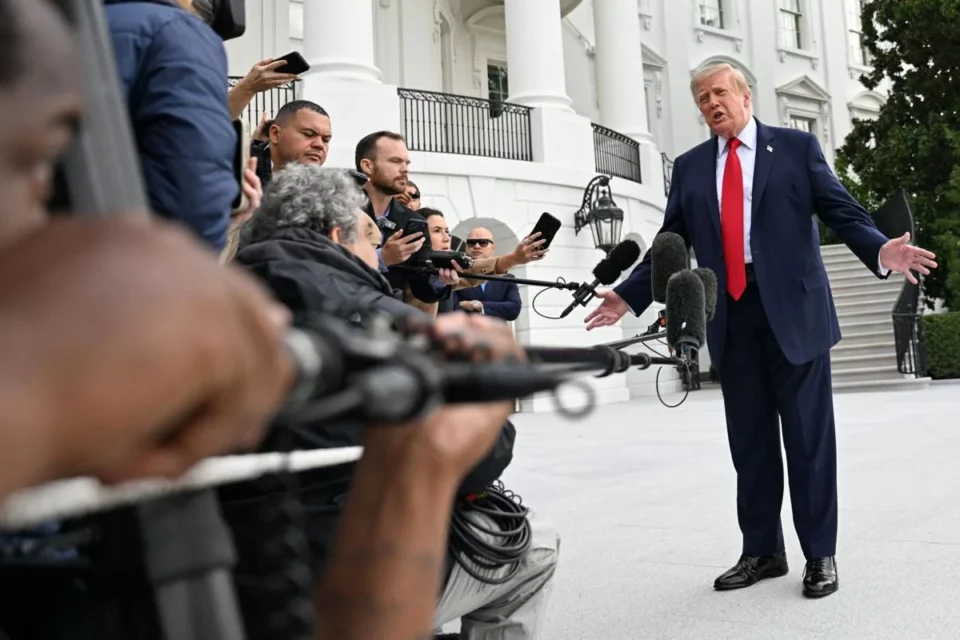
The trigger was President Donald Trump’s decision to reject Iran’s latest offer to reopen the Strait of Hormuz, the narrow waterway through which a large share of the world’s energy supplies travels. Iran’s foreign minister had floated the plan on the sidelines of the United Nations General Assembly. It envisaged the strait reopening after seven days if certain conditions were met, with nuclear talks restarting alongside.
Hopes that US and Iranian negotiators were exploring a phased deal helped lift markets on Friday. Trump has since said Tehran overplayed its hand, though he also said he expects negotiations to resume this week. Iran, for its part, says it is waiting for a definitive American response and will not soften its demands.
Investors read the exchange as a sign that a quick reopening of the waterway is less likely than they had hoped. Brent crude, the international benchmark, rose more than 3% to trade above $107 a barrel in early European hours.
Bonds add to the pressure
The move in oil fed straight into the bond market. According to Bloomberg, the two-year Treasury yield, which is sensitive to interest-rate expectations, rose five basis points to 4.90%. The benchmark 10-year yield gained four basis points, wiping out Friday’s decline.
That matters because yields were already elevated. Last week the 10-year yield rose above 5.2%, a level not seen since 2007. The 30-year yield touched its highest point since 2004. Equity investors have been living with the tension between a resilient economy, which is good for earnings, and the borrowing costs that come with it.
What the Federal Reserve has signalled
Central bank policy is a large part of that backdrop. The Fed raised interest rates on September 16. Since then, New York Fed President John Williams has said another increase by the end of the year would be reasonable, and Governor Michael Barr has said further policy adjustments are likely. Traders have been raising their bets on tighter policy as oil-driven inflation worries linger.
Market analysts point to elevated energy prices as the main reason equities have struggled to build on gains. The S&P 500 was on course for a weekly rise heading into Friday’s session, even as yields climbed sharply. Talks between US and Chinese leaders last week produced no trade breakthrough, which left geopolitics as the dominant driver.
What to watch this week
Three things will shape sentiment in the days ahead:
- Diplomacy: Whether US and Iranian officials return to the table, and whether Tehran changes its conditions.
- Oil: A sustained move in Brent above $100 keeps inflation concerns alive and supports the case for further rate rises.
- Yields: A further climb in long-term borrowing costs could test the valuations of high-growth technology companies.
For long-term investors, a single day’s futures move says little about the direction of the year. It does show how tightly stocks, oil and bonds are now linked to headlines from the Gulf.
This article is for information only and does not constitute investment advice.

1 comment
[…] Next Article […]