
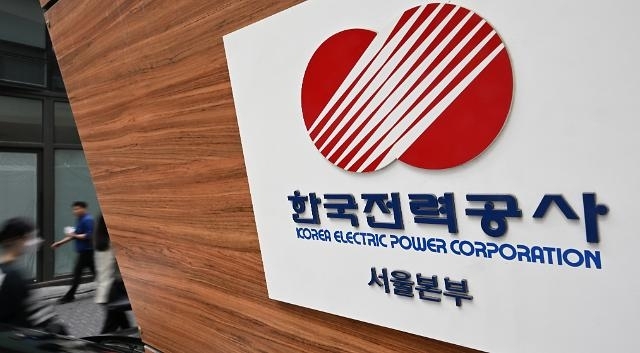
The Korea Electric Power Corporation, the state-run utility that supplies most of South Korea’s electricity, says hackers have stolen personal information belonging to about 1.52 million people. It is one of the largest breaches in the country this year.
KEPCO announced on Sunday that an external attacker accessed two systems: its KEPCO ON customer-service platform and its SRM electronic procurement system. The company says it learned of the incident on Friday.
What was taken
The two systems held different types of information.
The KEPCO ON platform affected 650,487 users. The exposed data included names, resident registration numbers, bank account details, credit card information, electricity rates and billing records. Resident registration numbers are the national identity numbers used across Korean services, which makes them especially sensitive.
The SRM procurement system affected 869,761 users. Of these, 426,827 were corporate representatives whose details exposed included names, phone numbers, email addresses and registration numbers. Another 442,934 were KEPCO and company employees, whose names, affiliations and contact details were taken.
The response
KEPCO blocked access from outside IP addresses and suspended the affected services. It has launched an investigation with the National Intelligence Service, other government agencies and outside experts. It also said it would share details with government and financial authorities and ask them to step up monitoring to limit further damage.
Chief executive Kim Dong-cheol apologised and promised to establish the cause and overhaul the company’s information security so people can use its services with confidence.
KEPCO has not said who was behind the attack or how the intruder got in. Those questions are central to the investigation.
Not the first incident
The breach comes a month after KEPCO disclosed a separate leak involving 35,528 current and former employees and workers at partner companies. A string of data thefts has hit Korean institutions in recent weeks. In the financial sector alone, about 473,000 leak cases were reported at 37 companies between 30 September and 3 November.
A parliamentary analysis reported by The Korea Times found that resident registration numbers were exposed more than 5 million times across 130 breach cases that led to enforcement action from 2021 to September 2026. Because these numbers are essentially permanent and difficult to change, a leak can carry risks for years.
Why this matters beyond Korea
The case shows a problem familiar to utilities everywhere. Power companies hold large databases of customers, billing details and supplier records, and procurement systems link them to many outside firms. An attack on administrative systems does not necessarily threaten electricity supply, and KEPCO has not suggested it does. But stolen identity and payment data can fuel fraud long after the attack.
Customers are usually most exposed to follow-on scams. Criminals use stolen details to make phishing messages look convincing, for example by quoting a real bill amount.
Sensible steps for affected users
Security specialists generally advise the following. These are general precautions, not instructions from KEPCO.
- Treat unexpected calls, texts and emails about electricity bills, refunds or account problems with suspicion, and use official channels to check them.
- Review bank and card statements for unfamiliar transactions, and consider asking your bank to reissue a card whose number may have been exposed.
- Turn on transaction alerts and use strong, unique passwords on any linked accounts.
- Do not click links or open attachments in messages claiming to come from KEPCO or your bank.
What comes next
Investigators will need to establish how the attacker got in, how long they had access, and whether more data is at risk. Regulators may also examine whether KEPCO met its legal duties to protect personal information. For a state-run company that has now disclosed two breaches in a month, the pressure to show tangible improvements will be intense.
