
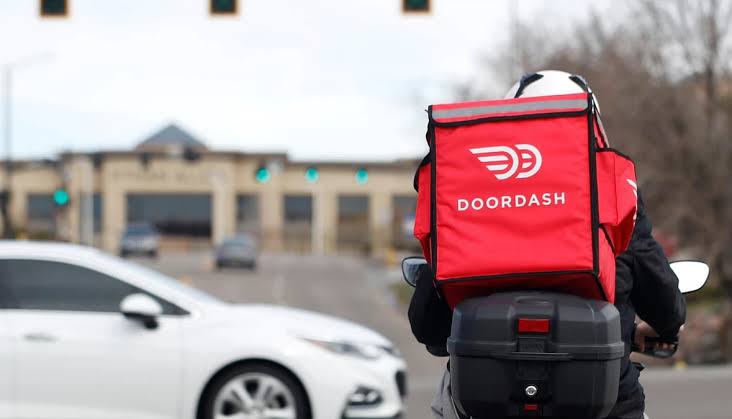
One of the year’s largest consumer-technology deals is heading for an antitrust examination. The US Department of Justice will scrutinise DoorDash’s proposed purchase of grocery-delivery firm Instacart, according to two people familiar with the matter.
DoorDash said in October it would buy Instacart in a deal valued at about $17 billion, with the aim of speeding up its push into the fast-growing US grocery delivery market. The news that federal lawyers will take a close look at it came on Monday.
What the review involves
The Justice Department declined to talk about the specific transaction. A spokesperson said only that the department under President Donald Trump would keep prioritising affordability and competition for Americans across the economy.
That is a general statement, not a verdict, and it is worth keeping in perspective. Officials clear the vast majority of deals without changes. When a deal does raise competition concerns, though, regulators can negotiate a settlement that includes selling off part of a business, or they can sue to block it. Which of those outcomes, if any, applies here is far from clear at this stage.
Why regulators will care
At first glance, the two companies look like they serve different needs. DoorDash built its name on restaurant delivery. Instacart built its business around shoppers who buy groceries from supermarkets for customers. But the lines have blurred. Instacart competes with DoorDash and Uber Eats among standalone delivery apps, and both of those rivals have expanded into groceries. The apps send drivers to shop directly at chains such as Kroger and Albertsons.
That overlap is what antitrust reviewers tend to test: if two of the largest players combine, do shoppers end up with fewer real choices, and do prices or fees rise as a result? Regulators also look at the other side of the market. Grocers that rely on these platforms for orders, and the workers who do the deliveries, can face weaker bargaining power when the number of large intermediaries shrinks.
The companies’ case
DoorDash argues the opposite. The company has said the deal will benefit local stores and widen the options available to shoppers and workers on its platform. It is also pointing to a market that remains crowded. Uber Eats is a major competitor, and traditional supermarkets run their own delivery and pickup services. Instacart, for its part, announced a partnership last year with Grubhub, another delivery app owned by privately held Wonder Group, to deliver groceries. Arrangements like that show how fluid alliances in this sector can be, which may matter when regulators define the market they are examining.
A costly safety net
The financial terms show how seriously both sides take the regulatory risk. DoorDash has agreed to pay Instacart $1.25 billion if the deal does not clear antitrust review. A break fee of that size is a signal that the buyer expects scrutiny and is willing to put real money behind its confidence. It also gives Instacart some protection if a long review ends in failure.
What happens next
Reviews of deals this large can take months, and the timeline can shift if officials ask for more information. Shoppers should not expect any immediate change to the apps they use. Until a decision is made, the two companies remain separate competitors and will continue to operate that way.
Investors and industry analysts will watch for several things in the coming weeks: whether the department asks for additional documents, how the companies define the market in their filings, and whether either side signals willingness to make concessions. The outcome will also be read as an indicator of how the current administration approaches large technology and platform mergers more broadly.
For consumers, the stakes are practical. Delivery fees, service charges, and the discounts offered through membership programmes all depend on how much competition exists among the apps. If the deal goes ahead without conditions, shoppers will be watching to see whether the promised benefits materialise. If it is blocked or reshaped, the grocery-delivery market is likely to stay as crowded and price-sensitive as it is today.

2 comments
[…] US Justice Department to Review DoorDash’s $17 Billion… […]
[…] US Justice Department to Review DoorDash’s $17 Billion… […]