
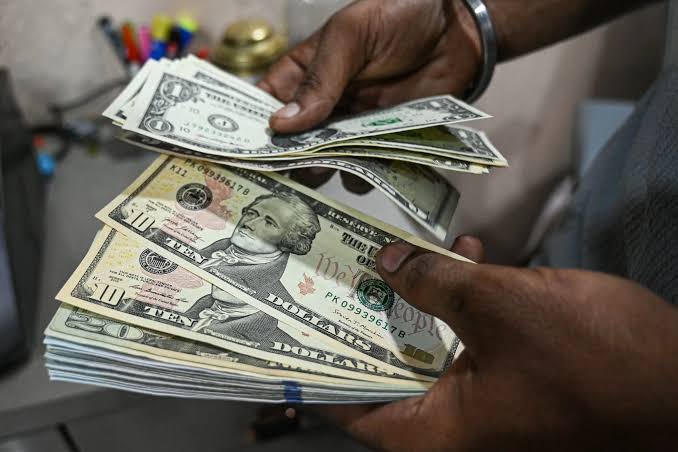
Financial markets have all but locked in another US interest rate rise. Futures pricing on Friday implied a 99% chance that the Federal Reserve will lift borrowing costs by a quarter of a percentage point at its meeting on 8 and 9 December, according to Reuters. Talk of a larger half-point move has faded.
The prospect is shaping everything from the value of the dollar to the cost of a home loan. It is also testing the nerves of investors who have just endured a rough month in global equities.
How markets got here
The Fed raised its target range to 3.75%–4% in September, its first hike since 2023, and then held steady in October. Since then, firm inflation data and a resilient economy have pushed expectations toward further tightening. Figures published this week showed annual inflation on the Fed’s preferred PCE measure at 3.8% in October, with the core reading at 3.3%.
Officials have not all spoken with one voice. Governor Christopher Waller has argued that a half-point increase should stay on the table. New York Fed President John Williams has counselled against dramatic action, and Treasury Secretary Scott Bessent has warned that the central bank could overtighten. The Fed enters its pre-meeting communications blackout from 28 November, so markets will have to digest the data without fresh guidance from policymakers.
The dollar and bonds respond
The currency market reflects the conviction. The US dollar index stood near 103.8, up about 1.8% for the month, and was on course for a third consecutive monthly gain. Traders cite a mix of rate expectations and safe-haven demand during the equity sell-off.
In bonds, two-year Treasury yields rose about 3 basis points to roughly 4.67% as the cash market reopened after the Thanksgiving holiday. Ten-year yields rose to about 4.89% but were slightly lower on the week. The longer end of the curve is being held back by worries about growth, even as the short end prices more tightening.
What the big banks expect
Major Wall Street banks largely agree about December but diverge on what follows. JPMorgan, Bank of America and Deutsche Bank have all forecast hikes at three consecutive meetings, taking the policy range to 4.50%–4.75% by March, according to bank forecasts compiled by BigGo Finance. Goldman Sachs and UBS see a more limited path, and ING and OCBC expect a long pause once December is done. That split matters. The Fed’s updated projections at the December meeting will show how many officials lean toward the longer-hike camp.
David Rees, chief economist at Schroders, said the Fed could still back away from tightening. He cautioned that such a shift would not automatically be good for markets. If growth and inflation data stay firm, he said, investors could price in a tougher Fed again and trigger another round of volatility.
A global tightening mood
The United States is not the only central bank in focus. Data on Friday showed core inflation in Tokyo hit a 16-month high in November, strengthening the case for a Bank of Japan rate rise as early as next month.
In Europe, euro zone countries on Thursday chose Spain’s Pablo Hernández de Cos as the next president of the European Central Bank. He will succeed Christine Lagarde when she steps down on 7 February, and he is expected to bring policy continuity at a time of inflation pressure linked to the conflict in Iran. He will be the ECB’s first Spanish president.
What it means for ordinary borrowers
For households and small businesses, the arithmetic is simple. Higher policy rates generally push up the cost of credit cards, car loans and mortgages. Mortgage brokers in the US are already warning clients to expect elevated rates well into 2027, citing the Mortgage Bankers Association’s forecast of further increases. Savers may see better returns on deposits, though banks tend to raise those rates more slowly than loan rates.
A strong dollar adds a further twist. It makes imports cheaper for American consumers, but it squeezes emerging-market borrowers with dollar-denominated debt and raises the cost of dollar-priced commodities such as oil.
The road to 9 December
Before the Fed speaks, markets will get the US jobs report on 4 December. A strong reading would reinforce the hawkish case. A weak one could revive debate over whether the central bank should slow down. After that, the focus turns to the Fed chair’s press conference, where the guidance for 2027 will matter at least as much as the December decision itself.

2 comments
[…] Fed Rate Hike in December Looks Almost Certain… […]
[…] Fed Rate Hike in December Looks Almost Certain… […]