
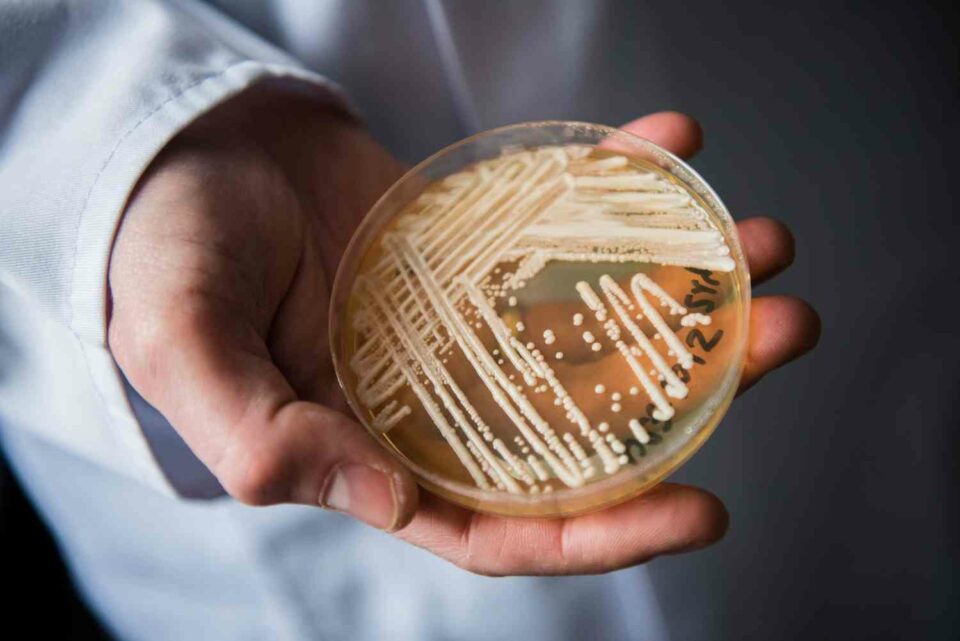
Deadly Drug-Resistant Fungus Candida Auris Spreads Globally, Poses Major Health Threat
Health experts are issuing a grave warning: a deadly, drug-resistant fungus called Candida auris is spreading rapidly across the globe, evolving into a significant and persistent threat to public health. A new scientific review highlights its accelerated spread and increasing resistance to existing antifungal drugs, making infections harder to treat and control.
A Growing Global Health Threat
First identified in Japan in 2009, Candida auris has since been reported in over 61 countries across six continents. It is particularly dangerous in healthcare settings, where it preys on vulnerable patients with weakened immune systems. The global impact is severe, with an estimated 6.5 million people affected annually and a mortality rate that can exceed 50%, even with treatment.
Why Candida Auris Is So Dangerous and Hard to Eradicate
This pathogen is uniquely challenging due to several key factors:
-
Drug Resistance: It shows resistance to all three main classes of antifungal drugs, limiting treatment options.
-
Environmental Hardiness: It can survive for weeks on surfaces in hospitals (beds, equipment) and resists standard disinfectants.
-
Stealth Colonization: It colonizes skin without causing immediate symptoms, silently spreading between patients.
-
Diagnostic Challenges: It is often misidentified in labs, leading to delayed correct diagnosis and treatment.
-
Biological Defenses: It forms tough biofilms and uses “efflux pumps” to expel antifungal drugs, enhancing its survival.
The Silent, Widespread Transmission
The fungus has moved beyond isolated outbreaks to establish sustained transmission in healthcare facilities worldwide. Hospitals act as epicenters, where it spreads among critically ill patients. Its resilience against standard cleaning protocols facilitates its persistence and silent spread across continents.
Major Challenges: Diagnosis and Limited Treatment
Combating C. auris is hampered by two critical issues:
-
Diagnostic Delays: Conventional laboratory tests frequently misidentify it, wasting crucial time.
-
Therapeutic Shortages: With resistance rising, the arsenal of effective antifungal drugs is dangerously limited, creating a pressing need for new medications.
Urgent Call for Global Action
Scientists are calling for an international, multi-pronged response to this crisis. Priorities include:
-
Accelerating development of new antifungal drugs and vaccines.
-
Investing in rapid, accurate diagnostic tools.
-
Enhancing global surveillance and data sharing, especially in under-resourced regions.
-
Increasing awareness among healthcare workers and policymakers.
Conclusion: A Formidable and Evolving Enemy
In just over a decade, Candida auris has evolved from a rare yeast to a formidable global health threat. Its combination of drug resistance, environmental persistence, and high mortality rates demands urgent and coordinated action from the global health community to prevent it from becoming an unmanageable crisis.
