
A deal collapses at the last hurdle
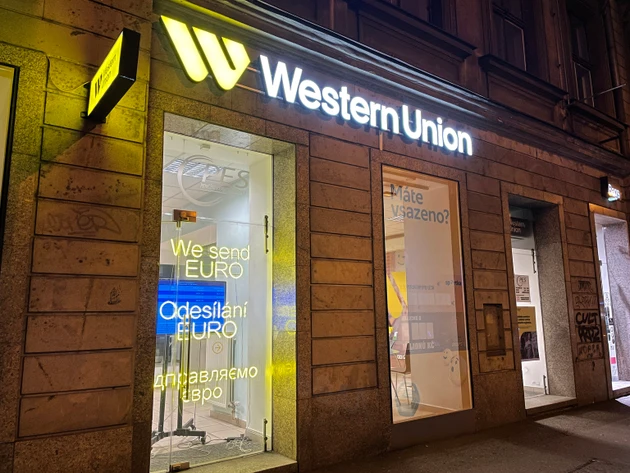
Western Union has abandoned its plan to buy rival money-transfer firm International Money Express, known as Intermex, in a deal worth about $500 million in cash. The company said it delivered a notice of termination after failing to secure an acceptable approval from California’s financial regulator, the last remaining obstacle.
The dispute is not over. Intermex rejected the termination on Wednesday, demanded that Western Union complete the acquisition and said it is prepared to take legal action, including a claim for substantial damages.
What Western Union says
In a statement, Western Union said it had won approvals from every other jurisdiction. California’s Department of Financial Protection and Innovation, however, had imposed final conditions the company described as unacceptable. The firm argued those terms would have required substantial changes to its business model.
Western Union’s board concluded that ending the agreement was in the best interests of shareholders. Under the contract, neither company owes the other a termination payment, according to the announcement. The company added that it was disappointed not to have completed the purchase, which it had expected to add more than ten cents to adjusted earnings per share in the first full year after closing.
Intermex pushes back
Intermex sees things differently. It says it has met its contractual obligations and expects Western Union to follow through. The offer, reportedly worth $16 per share, was agreed a year ago. Intermex’s position is that a regulatory dispute should not allow its buyer to walk away.
Legal analysts note that outcomes in cases like this often turn on the exact wording of the merger agreement, particularly clauses covering regulatory efforts and conditions. One analyst has suggested Western Union could ultimately seek a lower price if the dispute moves into litigation, though that remains speculation.
The long regulatory road
The approval process had been bumpy for months. State regulators in 51 US jurisdictions and authorities abroad had signed off or raised no objection by late June. New York’s financial regulator later approved the sale with conditions, including a requirement that Western Union cap fee increases in the state at the rate of inflation and keep its current retail locations open for three years.
California was the sticking point. Its regulator had given an approval earlier in the process but later suspended an extension, saying further review was needed after the passage of time. The two companies said at that stage that they remained committed to closing once California reinstated its approval. Under a filing from Intermex, either side was able to terminate if the deal had not closed by November 10, and Western Union moved just after that date.
Why the deal mattered
For Western Union, Intermex offered a way to strengthen its position in Latin America and the Caribbean, among the most important remittance corridors in the world. Intermex specialises in transfers from the United States to those regions, a market that has grown in importance as migrants send money home to families.
The wider backdrop is challenging. Western Union has been dealing with a long shift from cash to digital remittances, which has drawn in new competitors, as well as the effects of tighter US immigration enforcement. Management has been trying to cut costs, improve digital sales and expand through acquisition at the same time. Losing the Intermex deal removes one pillar of that strategy.
What happens next
The immediate question is whether the two sides can settle or whether the matter heads to court. Intermex has said it intends to enforce the agreement, and a legal fight could take months to resolve. In the meantime, uncertainty hangs over Intermex’s own plans, since it had expected to become part of a larger company.
For regulators, the episode is a reminder of how much power a single state authority can wield over a national deal. For customers who send money across borders, day-to-day services are unlikely to change soon. For investors in both companies, the more pressing concern is how the dispute resolves, and at what cost.

1 comment
[…] Western Union Walks Away From $500 Million Intermex… […]