
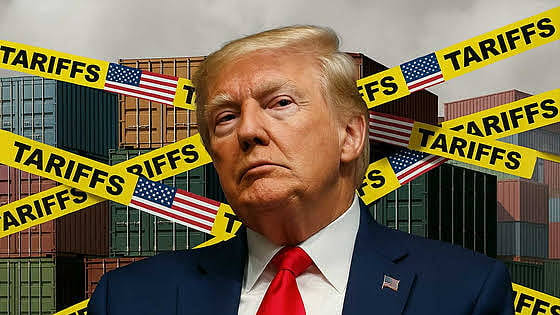
Washington has opened a new front in its trade policy, and the reaction from abroad has been swift. The proposals would place fresh duties on imports from 14 economies, accused of producing far more than their markets can absorb.
On Wednesday, US Trade Representative Jamieson Greer announced that an eight-month investigation under Section 301 of the Trade Act of 1974 had found “structural excess capacity” in a set of major manufacturing economies. The finding opens the door to new tariffs, though none has yet been imposed.
Who is affected
The list includes some of America’s largest trading partners: China, the European Union, India, Japan, South Korea, Taiwan, Switzerland, Singapore, Malaysia, Thailand, Indonesia, Cambodia, Bangladesh and Vietnam. Mexico and Norway were also examined, but no determination has been made for either.
For the biggest advanced economies, the numbers are relatively contained. The EU, Japan, South Korea, Taiwan and Switzerland would face a rate of up to 15%, calculated after existing most-favoured-nation duties and earlier Section 301 tariffs are taken into account. That mirrors the ceilings agreed in earlier bilateral deals.
China faces the highest headline figure among the major economies at up to 20%, which in some cases would sit on top of duties already in place. Greer said some $30 billion of Chinese imports would be exempt, as they are being considered for tariff reductions through a separate bilateral mechanism. Rates for other economies, including India and several in Southeast Asia, vary and in some cases depend on negotiations. Brazil was singled out separately, with a proposed 10% duty on Embraer aircraft and higher charges on sugar above quota.
A slow timetable
Nothing here takes effect immediately. Written comments and hearing requests are due on January 5, 2027, and public hearings begin on January 25. Greer told CNBC he did not expect any of the measures to apply “earlier than a couple months from now,” and described them as targeted duties that would generally add only a few percentage points once existing tariffs are counted.
The administration is also working in a changed legal landscape. After the US Supreme Court struck down key emergency-power tariffs in February, Section 301, which requires a formal investigation and public process, has become an important tool for rebuilding the tariff wall.
Governments push back
Reaction came quickly. Japan’s Chief Cabinet Secretary Minoru Kihara said at a Thursday press conference that Japan has no non-market policies or structural excess production capacity. Tokyo lodged a protest even though the proposed 15% level is consistent with an earlier tariff agreement.
Singapore said it was “very disappointed” and rejected the suggestion that it protects its domestic market or subsidises manufacturing. The European Union said it rejected the premise of the new tariffs and expected Washington to honour the framework deal struck in 2025, while acknowledging a shared concern about global overcapacity, much of it state-driven and concentrated in third countries. China’s foreign ministry cautioned against “tariff wars and trade wars.”
Why it matters to business
For companies, the immediate impact is uncertainty. Importers, retailers and manufacturers with supply chains running through the affected economies now have two months of lobbying and planning ahead, with no certainty about final rates or product exemptions. Sectors flagged in the proposals include telecommunications equipment from China, while university and industrial buyers of laboratory instruments and specialised chemicals have begun assessing exposure.
Markets noticed. The tariff announcement arrived on the same day as hot US inflation data and a sharp selloff in technology shares, adding to a nervous mood on Wall Street.
What happens next
The coming weeks will test whether the proposals are an opening bid or a firm plan. Greer has suggested that much of the content is already understood by trading partners, and officials have signalled that existing deals will be taken into account. Governments, however, are unlikely to accept the overcapacity label without argument.
For now, the practical advice for businesses is to watch the comment period closely, map supply chains against the proposed product lists and prepare for outcomes that could shift between now and the late-January hearings. Next Article

1 comment
[…] US Proposes New Tariffs on 14 Economies Over… […]