
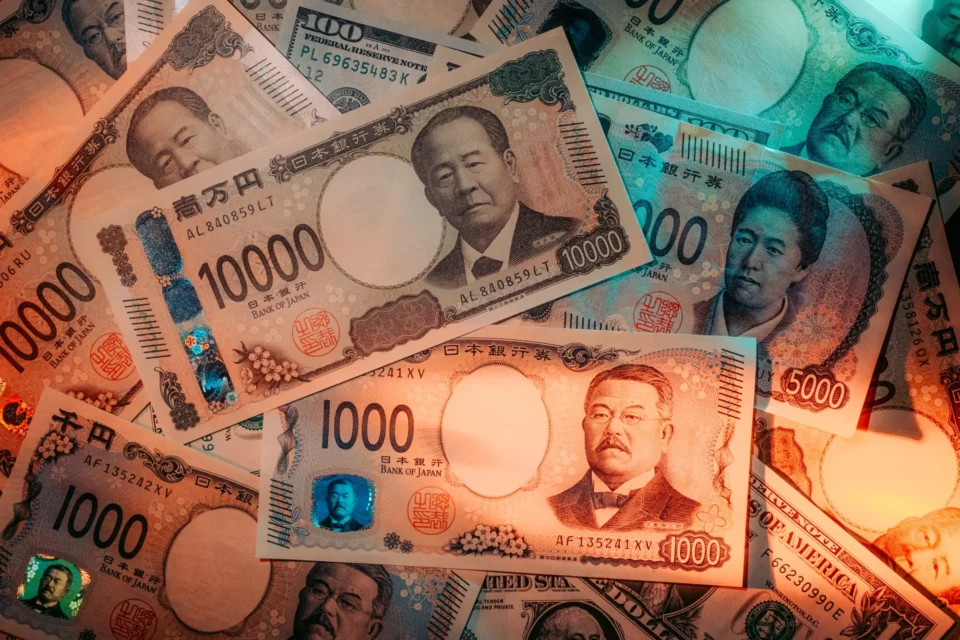
Japan’s central bank is edging toward another interest rate increase, and one of its most hawkish voices wants officials to move faster.
Naoki Tamura, a member of the Bank of Japan’s policy board, said on Thursday that the bank must respond swiftly to signs of inflation overshooting its target, including by accelerating the pace of rate rises. He added that the current policy rate of 1.25% remains “still some way” from neutral, according to market reports of his remarks.
What markets expect
His comments reinforced a view that was already widespread. Overnight index swaps imply roughly an 80% probability that the BOJ will raise rates at its next decision on December 18, while a Reuters poll found about 86% of economists expect a quarter-point increase to 1.50% at the December 17 to 18 meeting. Many forecasters also anticipate another rise by the end of March.
The bank held rates at 1.25% in October. At that meeting, Governor Kazuo Ueda said underlying inflation had reached 2%, a signal that policy had entered a new phase focused on guarding against inflation risks with steady rate rises.
Ueda keeps the door open
Ueda has since repeated that the bank will keep raising rates in line with economic, price and financial developments, and has warned that underlying inflation could overshoot its target. He has also played down weak third-quarter consumer spending, saying it was in line with expectations and that spending should recover.
That stance leaves little doubt about December. What is less clear is where the process ends.
The “how far” problem
Reuters reported earlier this month that policymakers largely agree on the need for a December increase but are divided over how high rates should ultimately go. Bank staff estimate Japan’s neutral rate, the level that neither stimulates nor restrains the economy, lies somewhere between 1.1% and 2.5%, and the board has not settled on a point within that range.
That uncertainty matters for the currency. Last December, the yen weakened even after the BOJ raised rates, because investors judged the accompanying message to be unconvincing. Analysts warn that a vague statement or cautious press conference from Ueda next month could trigger a similar “hike and sell” reaction.
The yen and the 160 line
The yen is already under strain. The dollar was trading around 159.0 to 159.2 yen on Thursday, close to the 160 level that traders regard as a trigger for possible official intervention. Hawkish comments from Tamura and the risk of intervention have helped the yen hold up near that line.
A weak yen is not just a currency story. It raises the cost of imported energy and food, adding to the inflation pressure the BOJ is trying to manage. That is one reason Tamura and others argue for faster action.
The Fed factor
Complicating matters is the US central bank. The Federal Reserve is widely expected to raise its benchmark rate in December after inflation data this week came in hotter than forecast. A wider gap between US and Japanese rates tends to weigh on the yen, since investors can earn more by holding dollars.
One analyst quoted by Reuters noted that sustained US rate hikes would keep the BOJ under pressure to raise rates as well, to prevent that gap from widening too far.
Why it matters beyond Japan
Japan’s interest rate path matters globally. For decades, ultra-low borrowing costs made the yen a popular funding currency for investors worldwide. As the BOJ normalises policy, that cheap financing becomes less available, which can ripple through bond and equity markets.
For households and businesses in Japan, higher rates mean more expensive mortgages and loans over time, but also better returns for savers who have lived through years of near-zero interest.
What to watch
Before the December 18 decision, investors will be watching for more comments from board members and for key inflation and consumption data, including figures due on December 23. Official statements about the currency will also be scrutinised, especially if the dollar pushes through 160 yen.
The central question for markets is no longer whether the BOJ will raise rates next month. It is whether Ueda can explain the path beyond December convincingly enough to give the yen some lasting support. Next Article
