
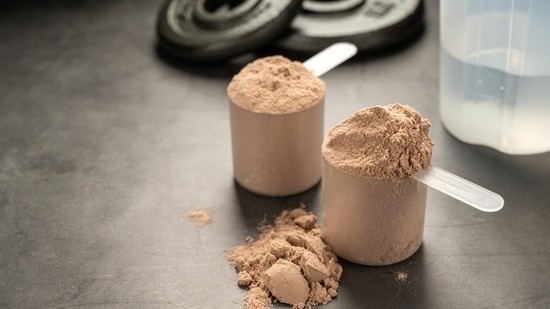
Protein Powders and Kidney Damage: Experts Warn of Hidden Risks From Excessive Intake
New Delhi, India — Protein powders and high-protein diets have become extremely popular among people trying to build muscle, lose weight or improve fitness. However, kidney specialists warn that excessive protein intake—especially through supplements—may carry hidden health risks if not consumed carefully. Experts emphasise that while protein is essential for the body, balance is key to avoiding strain on the kidneys.
Protein is a vital nutrient responsible for building and repairing tissues, supporting muscle growth and maintaining many bodily functions. Fitness enthusiasts often increase their protein intake to accelerate muscle recovery and improve strength.
However, health experts say the growing trend of consuming large quantities of protein powders or following extreme high-protein diets can sometimes lead to health complications if not properly managed. The kidneys play a central role in processing protein, which means excess intake may increase their workload.
When the body digests protein, it produces waste substances such as urea and other nitrogen compounds. These substances must be filtered out by the kidneys and excreted through urine.
If someone regularly consumes more protein than their body needs, the kidneys have to work harder to remove these waste products. Over time, this extra workload can strain the tiny filtering units in the kidneys, known as glomeruli. In individuals with existing kidney issues or risk factors like diabetes or hypertension, this strain may accelerate kidney damage.
Doctors also note that very high protein intake increases the amount of nitrogenous waste produced in the body, which requires more water to eliminate. If a person does not drink enough fluids, dehydration can occur and may raise the risk of kidney stones or other complications.
Protein powders themselves are not necessarily harmful, but experts caution that their quality and quantity matter. Many commercially available supplements contain additives such as artificial sweeteners, flavouring agents or preservatives that may reduce their health benefits.
Another concern is contamination. Some poorly regulated supplements have been found to contain heavy metals like lead, cadmium or arsenic. Long-term exposure to such contaminants could pose serious health risks.
Additionally, excessive use of protein supplements may cause digestive issues such as bloating, gas or diarrhea, particularly in people who are lactose intolerant or sensitive to certain ingredients commonly found in whey-based powders.
Experts stress that not everyone faces the same risk from high-protein diets. Healthy individuals with normal kidney function can usually handle moderate increases in protein intake.
However, people with underlying health conditions—such as chronic kidney disease, diabetes, high blood pressure or a family history of kidney problems—should be more cautious. For them, excessive protein intake may worsen kidney function over time.
Doctors say many people begin high-protein diets without checking their kidney health first. Because kidney problems can develop silently, individuals may not realise that their organs are already under strain.
Rather than relying heavily on supplements, nutrition experts recommend focusing on natural food sources of protein. Foods such as eggs, dairy products, fish, lean meat, pulses, beans, nuts and seeds provide protein along with essential vitamins and minerals that supplements may lack.
A balanced diet containing carbohydrates, healthy fats, fibre and micronutrients is also important for overall health and athletic performance. Overemphasising protein while neglecting other nutrients can lead to nutritional imbalances.
Experts suggest that protein intake should be tailored to a person’s body weight, activity level and health status. For many adults, moderate intake is sufficient to support muscle growth without overburdening the kidneys.
Doctors ultimately emphasise that protein itself is not the enemy. The real risk comes from excessive intake, poor-quality supplements and unbalanced diets.
For people aiming to build muscle safely, the best strategy is to combine regular exercise with a balanced diet and consult a healthcare professional or nutritionist before drastically increasing protein consumption.
By maintaining moderation and choosing high-quality food sources, individuals can achieve their fitness goals while protecting their long-term kidney health.
Also Read: Actor Simran Ghadai completes music video shoots, wraps filming for upcoming horror film
Protein powders: Friend or foe? Experts warn that too much of a good thing can silently damage your kidneys. Here’s how to build muscle safely.
