
Nipah Virus Outbreak in India Triggers High Alert Across Asia
A Nipah virus outbreak in India’s West Bengal state has placed health authorities across Asia on high alert, prompting enhanced surveillance, travel screening, and urgent public health warnings. The outbreak, confirmed in the Barasat area near Kolkata, involves two infections among hospital health workers, with one patient in critical condition. This has reignited global concern over the high-fatality virus for which no vaccine or specific treatment exists.
Understanding the Nipah Virus Threat
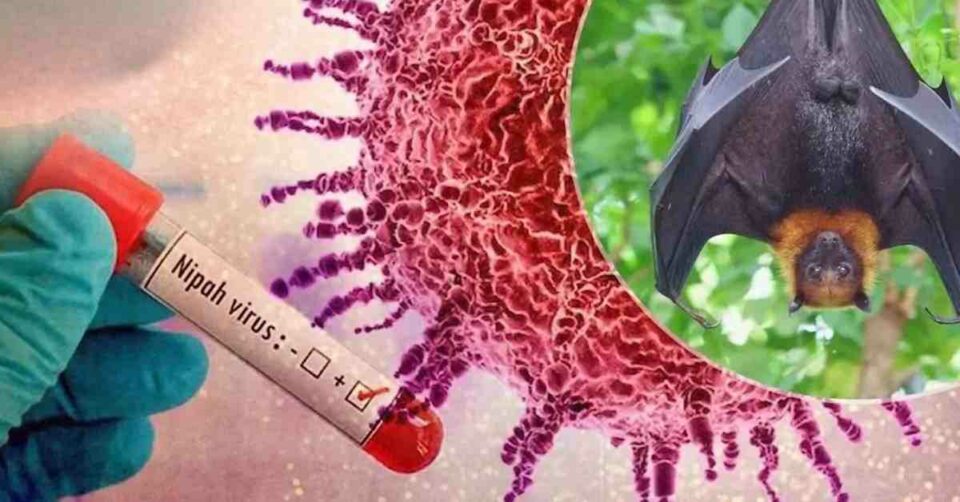
Nipah virus (NiV) is a zoonotic pathogen transmitted from animals—primarily fruit bats—to humans through direct contact, contaminated food (like raw date palm sap), or human-to-human transmission in close-contact settings. The World Health Organization (WHO) lists it as a priority pathogen due to its 40–75% fatality rate in past outbreaks across South and Southeast Asia.
Initial symptoms resemble common illnesses (fever, headache, vomiting) but can rapidly progress to severe respiratory distress and encephalitis (brain inflammation), causing seizures, coma, and death. Survivors may also face the risk of relapsed encephalitis months or years later.
India’s Rapid Public Health Response
Indian authorities, in coordination with the WHO, have swiftly implemented containment measures:
-
Identification and monitoring of over 190 contacts, none of whom have developed symptoms so far.
-
Strengthened hospital infection control and isolation protocols.
-
Enhanced surveillance for Acute Encephalitis Syndrome (AES) in states like Tamil Nadu.
Officials emphasize that early detection, isolation, and infection control are critical to preventing broader transmission, urging vigilance over panic.
Regional and International Alert
Although the WHO assesses the global risk as low—noting no travel restrictions are necessary—several Asian countries have increased precautionary measures. Thailand, Malaysia, Singapore, Vietnam, and Nepal have implemented temperature checks and health screenings for travelers from affected regions to prevent undetected importation.
Why Nipah Remains a Persistent Threat
The outbreak underscores Nipah’s persistent risk in regions where human activity intersects with fruit bat habitats. Past outbreaks in India, notably in Kerala, highlight the virus’s potential for sporadic spillover. Without a vaccine, the primary defense remains robust surveillance, public awareness, and rapid response systems.
While the current outbreak appears contained, the international health community remains watchful, balancing caution with reassurance to manage this dangerous but currently limited viral threat.
