
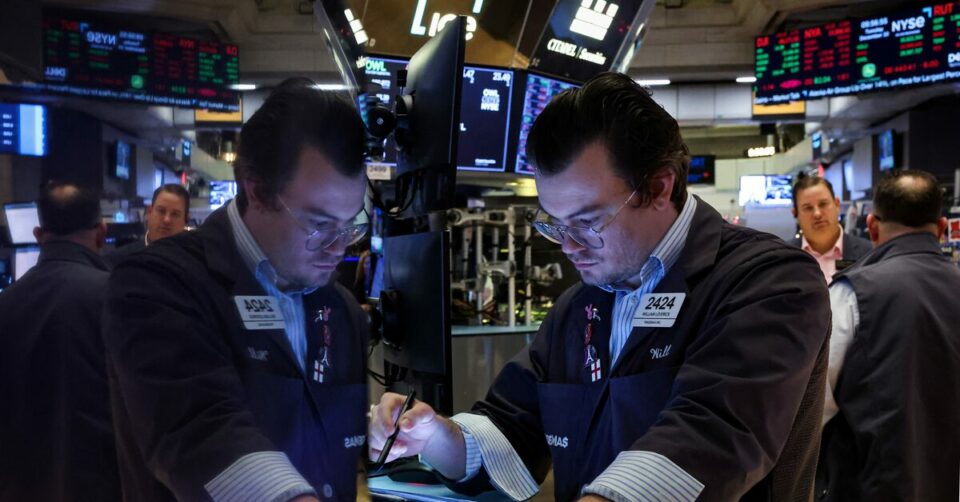
Wall Street has spent the past two weeks watching two numbers: the yield on the 10-year Treasury note and the price of crude oil. On Wednesday a third joins them. The Labor Department publishes its September consumer price data at 8:30am Eastern, and the result could help decide whether the Federal Reserve holds steady at its end-of-month meeting or keeps tightening.
The timing adds pressure. Prices are rising faster than many households can absorb, and the US is three weeks from midterm elections.
What economists are expecting
Forecasters polled before the release expect the headline Consumer Price Index to have risen about 0.6% in September from August. That would lift the annual rate to roughly 3.6%, up from 3.4% a month earlier. A separate estimate from the Cleveland Fed points to a similar reading.
The picture looks calmer once food and energy are stripped out. Core CPI is forecast to have gained 0.2% on the month, with the annual rate edging up to 2.5% from 2.4%.
Petrol prices do the heavy lifting
The gap between headline and core inflation comes down to the pump. Government data show the average price of a gallon of regular gasoline climbed from about $4.06 in August to about $4.36 in September, a jump of roughly 7%. Instability in the Middle East has kept oil prices elevated, and airfares are also expected to have risen as jet fuel costs followed crude higher.
Several forces are expected to hold core inflation back. A temporary bump in mobile phone prices, linked to service changes at one carrier, is fading. Goods prices are rising only marginally as the effect of tariffs unwinds. Rents are expected to have risen only moderately.
Some economists say the energy shock has yet to filter through to the wider economy. The services figures are the ones to watch. Services prices excluding energy were up 3.0% over the 12 months to August, still well above the pace consistent with the Fed’s 2% target.
A Fed that has already moved
The central bank raised its target range by a quarter point in mid-September, to between 3.75% and 4%, and described inflation as elevated. Its next decision is due on October 28.
Remarks on Tuesday from John Williams, president of the New York Fed, calmed some nerves. He said one more increase may be appropriate this year but that he sees no need for further rises in 2027. Markets took that as a sign the tightening cycle may be nearing its end.
According to the CME FedWatch tool, traders put the probability of a hold this month at more than 78%. They see about a 90% chance of an increase in December. Scott Anderson, chief US economist at BMO Capital Markets, said a core reading near 0.2% should be enough to keep the Fed on hold in October.
Bond market catches its breath
Treasury yields eased for a second consecutive session ahead of the data. The 10-year yield slipped to about 5.19%, and the 30-year yield fell for a fourth straight day to around 5.55%. Both had touched multi-decade highs in recent weeks. Earlier this month the 10-year yield reached its highest level since 2002.
US stock futures nudged higher as yields and oil prices cooled, though gold slipped below $4,150 an ounce as investors waited on the data.
Why it matters beyond the markets
For most people, the report is less about basis points than about the weekly shop and the commute. Reuters reported that recent surveys show consumer sentiment weakening and public frustration over living costs growing. That is the backdrop for the November 3 vote.
The figures also feed directly into the cost-of-living adjustment for Social Security benefits in 2027, which makes September’s data point unusually important for retirees.
What to watch
A core reading at or below forecast would strengthen the case that the energy spike is a one-off. A hotter number, especially in services, would revive talk of a more aggressive Fed. Either way, the gap between a high headline rate and a restrained core rate is likely to dominate the debate in the weeks ahead.
